Linkedalu Metal Group Co., Ltd LINKEDALU Metal Group
Powder Coated Window and Door Profiles

Powder Coated Aluminum Profiles for Window, Door and Curtain Wall Systems

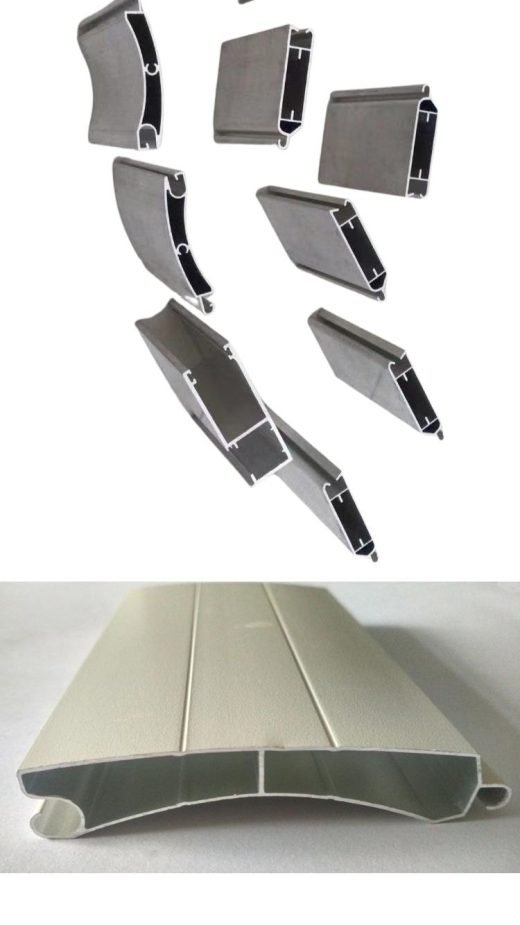
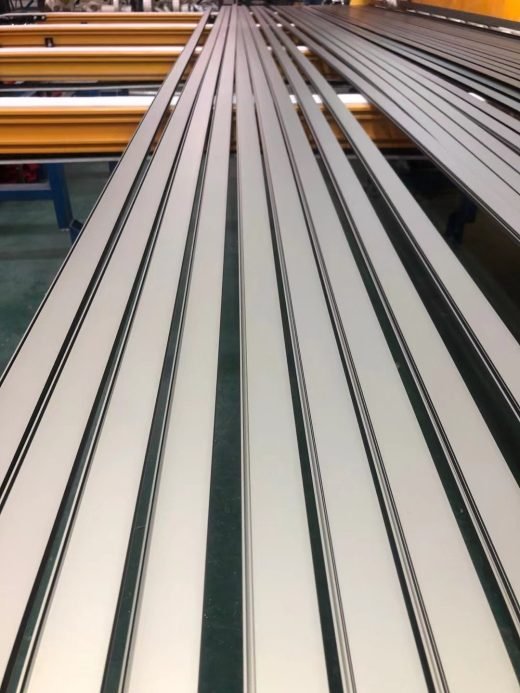
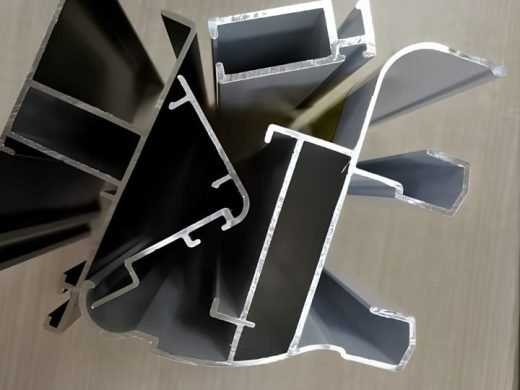
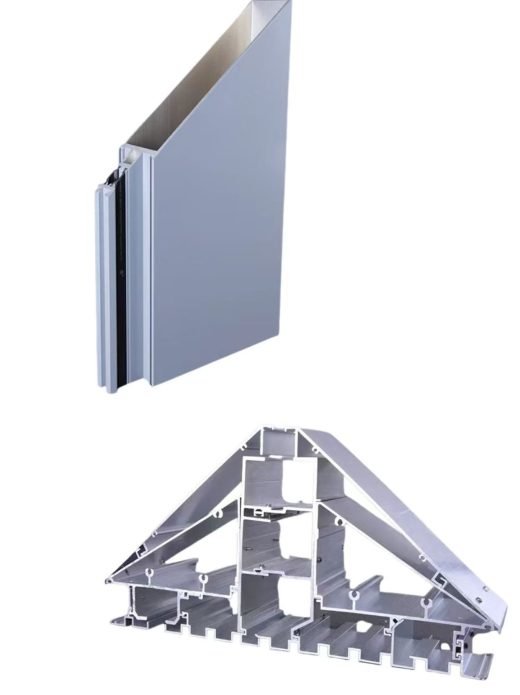
We extrude, pretreat and powder coat aluminum architectural profiles in-house for high-performance window, door and curtain wall systems. The range covers outer frame and sash extrusions, mullions and transoms, thermal break sections with a PA66-GF25 polyamide barrier, glazing beads, sub-frames and coupling profiles. One supplier, one process chain, one color reference across every container shipped.

Send architectural CAD drawings and we manage the rest: custom die cutting, precision extrusion, multi-stage chemical pretreatment, automated electrostatic powder application, oven curing and laboratory testing. You choose the target RAL color, the texture finish and the durability grade, and we deliver profiles matched to your physical sample and consistent from the first container to the last.

The Reality of Architectural Coatings

Two suppliers can quote you powder coated aluminum windows. One uses a standard polyester resin that chalks and fades within three years facing direct sunlight. The other uses a super-durable resin that holds its gloss and color for fifteen years. Both look identical on day one. You find out which one you bought when the sun and the salt air have done their work.

The Resin Chemistry Drives UV Longevity

Powder coating is a dry plastic powder sprayed electrostatically onto aluminum and then baked at 180 to 200 °C. The powder melts, flows out into a continuous film and crosslinks into a hard coating that provides color, seals the metal from moisture and oxygen, and resists sunlight. How well it resists sunlight depends on the resin, because resin is the backbone of the formulation. If the resin breaks down under UV, the coating chalks, fades and eventually stops protecting the aluminum underneath.

Powder GradeResin TypeOutdoor Life (Typical Warranty)Where It Belongs
Standard polyesterStandard polyester resin, TGIC or HAA cured1-3 years outdoors / 10+ years indoorsInterior doors, interior partitions, decorative trim
Weather-resistant polyesterModified polyester with UV stabilisers5-10 years outdoorsStandard residential windows and doors, balcony railings
Super-durableSuper-durable polyester for facade exposure15 years tierExterior window and door frames, curtain wall components
PVDFFluoropolymer-based powder20+ years tierHigh-exposure facades, coastal and high-UV projects

We publish these as durability tiers rather than as a single number for all powder, because the coating on an interior partition door and the coating on a coastal curtain wall have nothing in common except the color. Matching the grade to the exposure is the difference between a frame that still looks new at year twelve and one that is being repainted at year four.

Pretreatment and Application

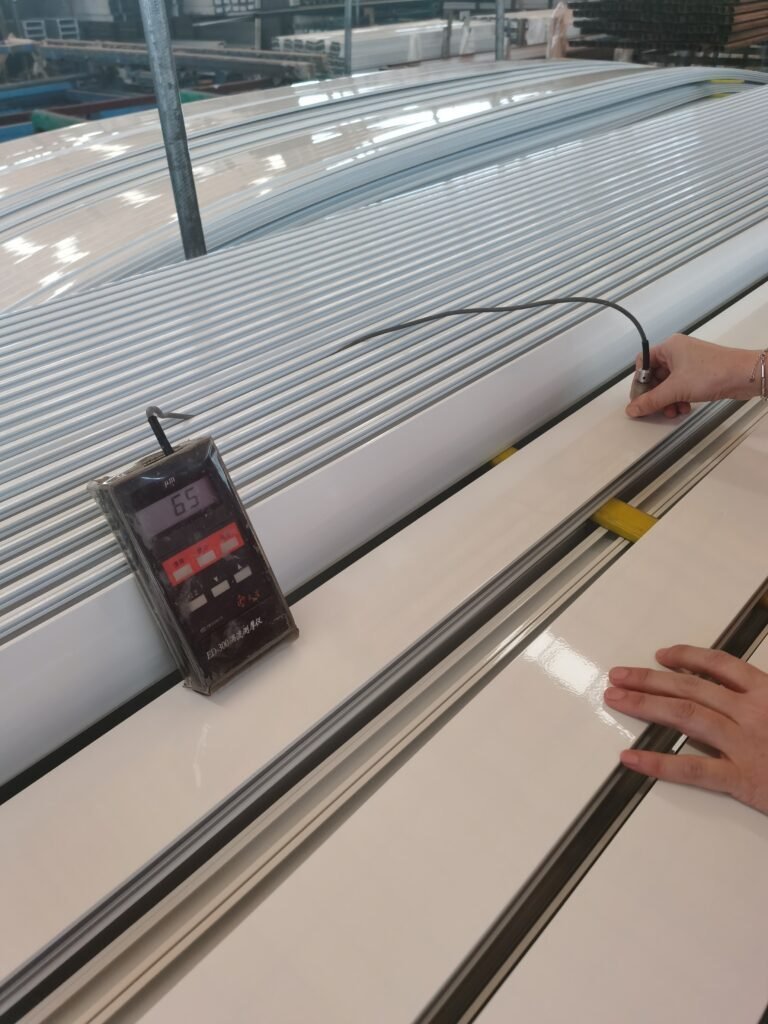
Coating adhesion depends more on pretreatment than on the powder. Profiles pass through a multi-stage chemical pretreatment that removes extrusion oils, etches the surface and builds a conversion layer for the powder to bond to. The powder is then applied electrostatically so it wraps the profile including the return flanges and the inside of the glazing groove, and the section is cured in an oven at 180 to 200 °C until the film is fully crosslinked. Coating thickness is typically 60 to 120 µm depending on the grade and the specification agreed, and the Qualicoat framework is used as the reference for coating quality on facade-grade work.

Thermal Break and System Profiles

Where the frame separates a conditioned interior from the weather outside, the metal path is interrupted by a PA66-GF25 polyamide strip that is crimped into knurled channels on both halves of the profile. Glass-fiber reinforcement gives the barrier the mechanical strength to carry shear between the inner and outer sections, while the polyamide itself conducts far less heat than aluminum does. That is what keeps the inner face warm enough to avoid condensation and stops the frame from acting as a radiator in winter.

Choosing a Grade for Your Project

  • Interior partition and decorative trim: standard polyester, color and cost matter more than UV stability
  • Residential windows and doors in temperate climates: weather-resistant polyester with UV stabilisers
  • Exterior frames and curtain wall components: super-durable polyester for facade exposure
  • Coastal, desert and high-altitude sites: PVDF powder where color retention over two decades is required

Standard length is 6.0 meters, minimum order quantity is 500 kg per profile, and profiles are packed in shrink film for protection during shipping. Tell us the exposure the frame will see, the color reference and the durability tier you are working to, and we will confirm the profile, the pretreatment sequence and the coating specification before production begins.

Typical applications

  • check Casement and sliding window systems
  • check Exterior and interior door frames
  • check Curtain wall mullions and transoms
  • check Balcony and terrace railings
  • check Thermal break frames for conditioned buildings

Architectural Aluminum · Window & Door Profiles

Powder Coated Window and Door Profiles

In-house extruded and powder coated aluminum window, door and curtain wall profiles, with graded resins for 10, 15 and 20+ year durability, RAL color matching and PA66-GF25 thermal break sections.

Technical parameters

Alloy & Temper 6063-T5 architectural grade (6061-T6 and 6005A-T6 available for structural sections)
Hardness ≥8 HW (Webster)
Surface Finish Powder coating to RAL, textured and metallic finishes; Qualicoat framework used as coating quality reference
Coating Thickness 60-120 µm depending on grade and specification
Durability Tiers 10 / 15 / 20+ year architectural tiers across standard, weather-resistant, super-durable and PVDF powders
Thermal Break PA66-GF25 glass-fiber reinforced polyamide barrier, crimped into knurled channels
Profile Range Outer frame and sash extrusions, mullions, transoms, thermal break sections, glazing beads, sub-frames, coupling profiles
Curing Multi-stage chemical pretreatment; electrostatic powder application; oven curing at 180-200 °C
Standard Length 6.0 m
MOQ 500 kg per profile
Alloy 6005A 6061 6063
Application Balcony and terrace railings Casement and sliding window systems Curtain wall mullions and transoms Exterior and interior door frames
Surface finish Powder Coated Pvdf Coated Thermal Break
Industry Architecture Construction Windows & Doors
Temper T5 T6
  • verified_userMill test report supplied with every shipment
  • scheduleTypical lead time 15–25 days after die approval
  • publicExport packing, FOB Xiamen / CIF / DDP

Technical FAQ

Why does the powder grade matter more than the color? add
Color is the part you can see on day one, and it is the part every supplier can match. What differs is the resin that carries that color. A standard polyester resin can chalk and fade within about three years facing direct sun, while a super-durable or PVDF resin holds gloss and color for fifteen to twenty years. The coatings look identical when new and behave nothing alike after a few summers.
Which powder grade should I use for a coastal building? add
For coastal sites, high-altitude locations and desert projects we recommend the PVDF fluoropolymer grade, which sits in the 20+ year durability tier. Standard and weather-resistant polyester grades are cost-effective for interior and temperate residential work, but airborne chloride and intense UV accelerate chalking and gloss loss. Grade selection plus adequate pretreatment is what keeps a coastal frame looking new rather than fading within a few seasons.
How does the PA66-GF25 thermal break work? add
The polyamide strip is crimped into knurled channels in aluminum, forming a structural bridge between the inner and outer halves of the profile. Glass fiber reinforcement gives it the shear strength to hold the frame rigid, while polyamide conducts far less heat than aluminum. The result is a warm inner face that resists condensation and a frame that does not act as a radiator, with no loss of mechanical performance.
What file formats and information do you need to quote? add
Send architectural CAD drawings, ideally in DWG, STEP or PDF, with the cross-section, alloy and temper required for each profile. Tell us the exposure conditions, the target RAL color, the texture finish and the durability tier you are working to, plus quantities and any cutting or machining needed. We review the die design for manufacturability and confirm pretreatment and coating specification before production.

Customer reviews

No reviews yet — be the first to review Powder Coated Window and Door Profiles.

Write a review

Write a review

Reviews are read by our team before they appear here, usually within one working day. We publish what customers write; we only remove spam and abuse.

Held for moderation before it is published.

Request a quotation for this profile

Include your drawing reference, alloy, finish, quantity and destination port. If you have a DXF or PDF, mention it in the message and we will request it by email.

Drawings & CAD files: email DWG, DXF, STEP or PDF to sales@linkedalu.com — they are quoted together with this request.

Or email sales@linkedalu.com

Why engineers buy this profile from us

  • Die design in-house. Our tooling engineers balance metal flow before the first billet is pressed, which keeps wall thickness and straightness repeatable order after order.
  • One partner for finishing. Extrusion, anodizing, coating, machining and assembly happen on one site, so tolerances are not lost between suppliers.
  • Documentation that clears customs and auditors. Composition, mechanical properties, dimensional and coating reports ship with the goods.
  • Stable supply. 100,000 tonnes of annual capacity and 26 presses mean your schedule is not hostage to a single line.
About our factoryarrow_forward