
Navigating the 2026 Aluminum Surge: Resilience, Technical Standards, and the New Global Supply Dynamic
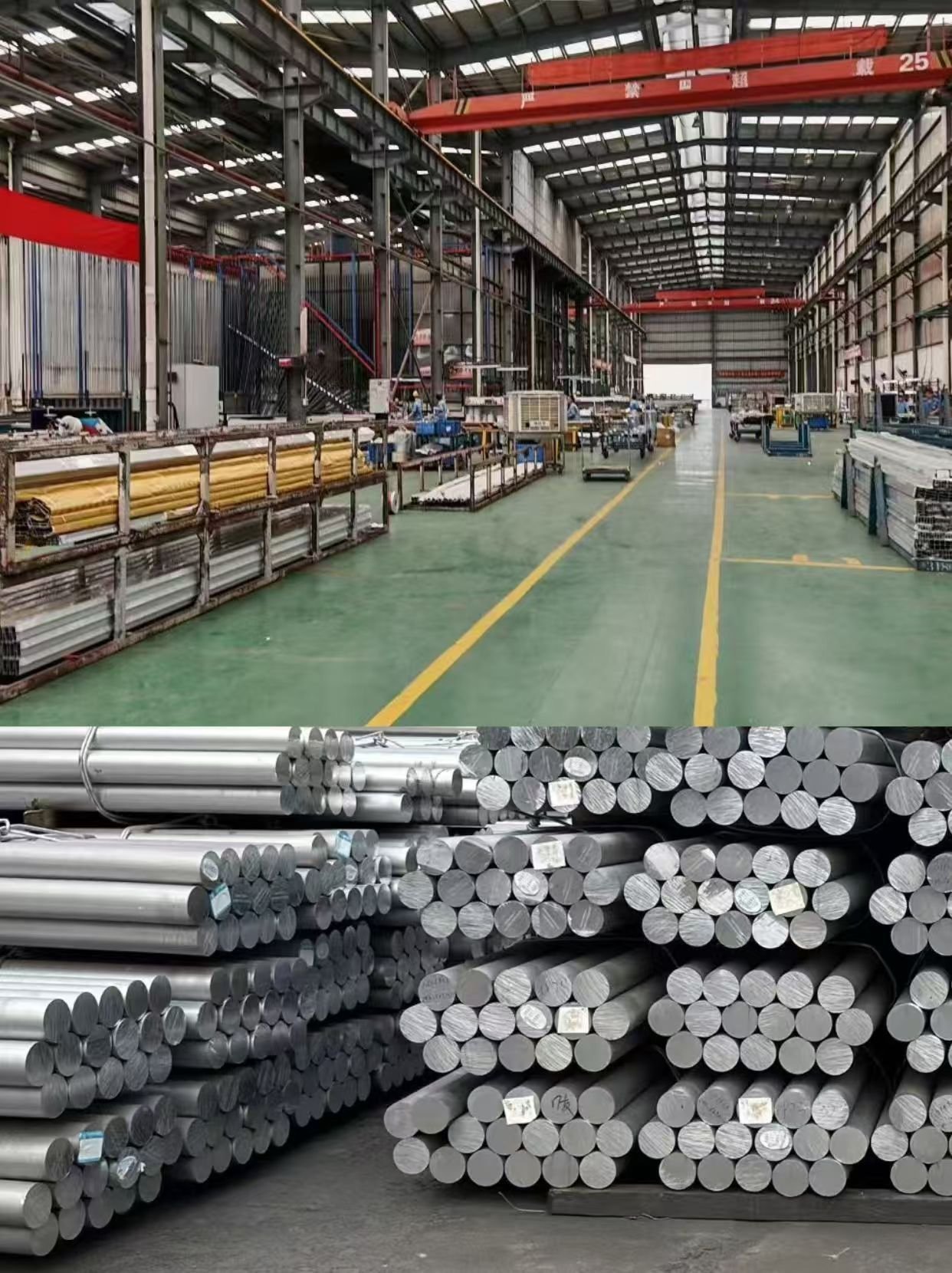
Bloomberg analysis shows China's primary aluminum output at historic highs just as traditional real estate demand cools, freeing high-grade metal for solar, EV and facade applications. Supply reliability now depends on technical compliance.
Two Forces, One Divergence
The global aluminum landscape is experiencing a profound structural shift. According to recent market analysis from Bloomberg, China's primary aluminum output has hit historic highs, fuelled by an influx of raw materials and optimized smelting margins. Yet this production surge arrives at a time when traditional real estate demand is cooling, creating a market divergence: a large volume of high-grade aluminum is available to support the rapid acceleration of international green energy and modern architectural infrastructure.
For global procurement managers, industrial engineers and construction developers, navigating this macro environment demands attention to two core pillars: supply chain reliability and uncompromising international technical compliance. Neither is optional, and neither is a substitute for the other.
Where Demand Actually Went
While traditional building sectors see a temporary slowdown, the paradigm of aluminum consumption has fundamentally changed. The modern economy is driven by high-tech electrification and sustainable design, shifting demand toward specialized, high-performance extrusions:
- Solar and renewable infrastructure. High-durability structural frames and mounting profiles engineered to survive extreme environmental wear.
- Next-generation automotive and EVs. Lightweight, high-tensile components optimized to maximize battery efficiency and structural safety.
- Advanced architectural facades. High-performance, energy-efficient curtain wall systems that define sustainable modern skylines.
Each of these three demand streams imposes requirements that a generic profile catalog cannot meet. A solar mounting rail is judged on decades of corrosion and mechanical loading performance. A battery enclosure component is judged on dimensional repeatability and alloy consistency. A curtain wall mullion is judged on thermal performance, surface quality and sightline precision. The aluminum is similar; the engineering is not.
Supply Reliability Is Now a Technical Question
In a market saturated with raw volume, true value lies in precision engineering and technical authority. Buyers who treat supply resilience as purely a commercial exercise - more suppliers, more buffer stock - tend to rediscover the same problem: inconsistent tolerances across vendors create scrap, rework and field failures that no safety stock can absorb.
Standards and Compliance
For international buyers seeking to mitigate risk, the practical standard is that supply is always backed by recognisable benchmarks. Every metric tonne of extruded profile should comply with ASTM (American) and EN (European) standards where the project specifies them, with alloy and temper declared and verifiable - typically 6063-T5 for architectural and solar profiles, or 6061-T6 and 6005A-T6 where higher mechanical properties are required.
Advanced surface treatments matter just as much. Anodizing and powder coating are not cosmetic finishes; they are the corrosion-control system for a facade or a mounting frame that will be exposed for decades. Thickness, adhesion and color consistency should be documented, not assumed.
A Practical Checklist for Procurement Managers
| Question | What a good answer looks like |
|---|---|
| Which standards govern the profile? | Named ASTM or EN standard, with alloy and temper declared per profile. |
| How is dimensional consistency demonstrated? | Inspection records tied to the production lot, not to a sample. |
| How is surface finish controlled? | Documented coating or anodizing thickness and adhesion testing. |
| Who owns the technical conversation? | Engineering support that can respond in the buyer's language and timezone. |
Why Integrated Manufacturing Reduces Risk
Extrusion, heat treatment, finishing and machining performed under one quality system remove the transfer points where tolerances drift and responsibility becomes ambiguous. When a deep-processed component arrives ready to assemble, the buyer inherits one specification and one accountable supplier instead of a chain of three.
That integration is also what allows a supplier to respond to design changes. When aluminum costs are elevated, the cheapest engineering improvement is often a redesign - thinner walls, a more efficient section, less machining allowance - and it can only be executed by someone who controls the die, the press and the machining center. A trading intermediary can re-quote a price; it cannot re-engineer a section, test the new die and hold the tolerance on the finished part.
The Bottom Line
The 2026 surge is not only a price story. It is a reallocation of aluminum from legacy construction demand into electrification, renewables and modern facades, and the metal is moving into applications that are far less tolerant of a bad lot. The buyers who navigate it well will be those who pair commercial resilience with rigorous technical compliance, and who choose suppliers able to evidence both.
Customer reviews
No reviews yet — be the first to review Navigating the 2026 Aluminum Surge: Resilience, Technical Standards, and the New Global Supply Dynamic.
Write a review
Reviews are read by our team before they appear here, usually within one working day. We publish what customers write; we only remove spam and abuse.
Keep reading
 Insights
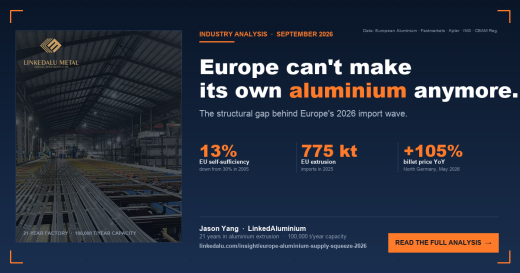
Europe Can't Make Its Own Aluminium Anymore — What 2026–2030 Looks Like for B2B Buyers
Europe's primary aluminium self-sufficiency has fallen below 13%, the Middle East conflict has knocked out 2.3 Mt of supply, and the…
Read article arrow_forward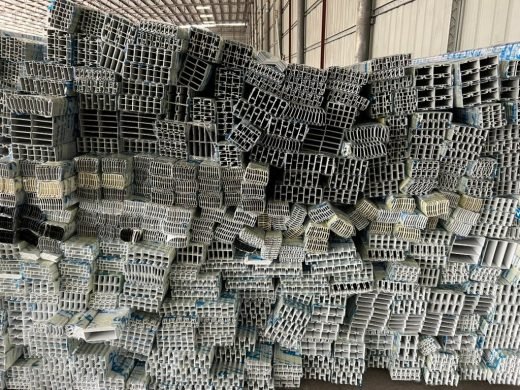 Insights
starFeatured
Insights
starFeatured
The Structural Break in Global Aluminum
China hit its 45 Mt aluminum ceiling, Guinea signalled an export cap, Rusal is sanctioned and a Gulf smelter curtailed in February 2026…
Read article arrow_forward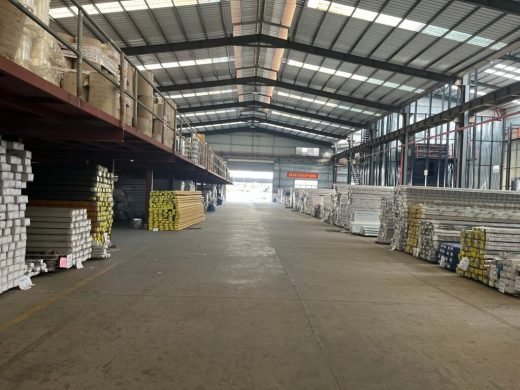 Insights
starFeatured
Insights
starFeatured
Tariffs, R&D, and the Myth of the Fragile Chinese Factory
Four headlines from WSJ, the New York Times and Nikkei appear to contradict each other. Read together, they explain why production is…
Read article arrow_forward