
Citi's "Most Bullish Aluminum Forecast Ever" Explained: Navigating the New Era of Structural Scarcity
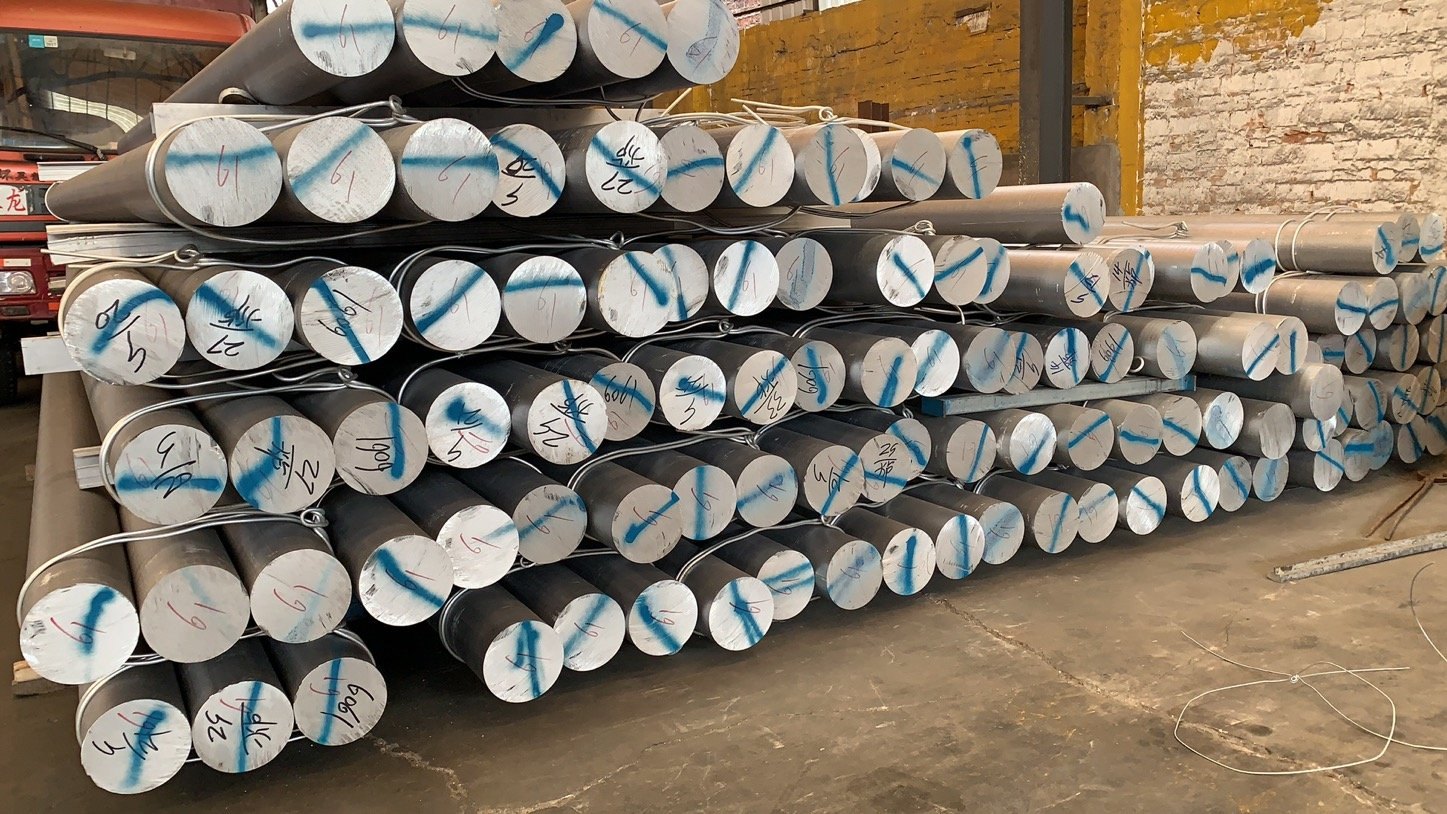
Citi's published forecast points to $4,000 per tonne LME aluminum and the most bullish cycle in over 50 years, citing a 3 million-tonne supply loss, a 55-year inventory low and no idle smelting capacity left.
What Citi Actually Said
Global banking group Citigroup recently declared that the aluminum market is entering its most bullish cycle in over 50 years. In its published forecast, Citi projects that London Metal Exchange aluminum prices will climb swiftly to $4,000 per tonne in the short term, with substantial further upside heading into 2027. Treat that as a forecast from Citi's analysts, not as a settled fact - but the supply-side evidence behind it deserves attention, because it is largely physical rather than financial.
The Three Pillars of Citi's Case
Citi's model rests on three supply-side data points that together describe a deep structural deficit:
- A three-million-tonne supply severance. According to Citi, ongoing geopolitical conflict in the Middle East has caused historic supply chain ruptures, and the market faces an immediate loss of more than 3 million tonnes of global aluminum supply - a scale of disruption rarely seen in modern metallurgy.
- Inventories at a 55-year low. LME on-warrant registered stocks have plunged by a third this year to roughly 339,000 tonnes. Crucially, shadow stocks - unregistered metal stored off-exchange - have hit their lowest levels since tracking began in 2020. The market's inventory buffer is gone.
- Zero global idle capacity. Idled smelting capacity worldwide is almost entirely depleted. Even as prices rocket upward, producers cannot simply switch on closed pots to relieve the squeeze.
Read together, those three points explain why the bullish case is described as structural rather than cyclical. A cyclical squeeze is relieved by restarting capacity. A structural squeeze has nothing left to restart.
The Disconnect: Paper Price Versus Physical Premiums
As of late May 2026, LME three-month aluminum traded near $3,630 per tonne. It had risen roughly 14% since recent geopolitical escalations, yet it had not broken past the historical peaks seen in 2022. Analysts quoted in industry coverage note that paper futures have failed to register the tectonic shifts shaking the physical supply chain.
For B2B buyers, the real tension is flashing in physical spot premiums rather than in the exchange ticker:
| Physical signal | Reading as of late May 2026 |
|---|---|
| LME cash-to-three-month premium | $80 per tonne - the highest since 2007, signalling profound immediate scarcity |
| Japanese port premiums (CIF) | Doubled to $316 per tonne, with Q2 contract talks reaching an 11-year high of $350 per tonne |
| Rotterdam duty-paid premiums | Up 58% since March 2026 |
| Rotterdam aluminum billet premiums | Surged sharply, reflecting competition for semi-finished metal rather than primary ingot alone |
The billet line is the one extruders feel first. Primary metal can be sourced and shipped; billet must be cast to the right diameter and alloy for a specific press and die. When billet premiums surge, the constraint has moved from the smelter to the semi-finished supply chain that extrusion plants actually buy from.
What Structural Scarcity Does to Extrusion Buyers
If Citi's read is broadly right, the consequences for profile buyers are practical rather than theoretical.
- Quotation validity becomes a cost line. A supplier holding a fixed price for a long window is carrying real metal risk, and it will be priced in one way or another.
- Alloy discipline pays. Buying 6063-T5 where a higher-cost alloy is not required, and confirming temper and tolerance up front, avoids over-specifying metal.
- Wall thickness and section design deserve a second look. A profile optimized for the previous price decade is rarely optimized for this one.
- Billet access outperforms ingot access. The ability to secure cast billet, not just metal exposure, is what keeps a press running.
- Longer planning horizons beat reactive buying. In a tight physical market, the buyer who plans two quarters out negotiates from a stronger position.
Reading Citi Correctly
Forecasts are not outcomes. Citi's published projections may prove too bullish, and a demand shock or a faster-than-expected capacity restart elsewhere would change the arithmetic. It is also worth noting what Citi is not saying: that aluminum becomes unavailable, or that buyers should panic-purchase. The call is about price and tightness, not about absence of metal.
The defensible conclusion for an industrial buyer is narrower and more useful. The supply system has very little slack, the physical premiums are telling a harder story than the futures curve, and procurement plans built on assumptions of abundant, cheap, quickly replaceable metal are now the risky ones. Plan for the floor, and let the ceiling look after itself.
Customer reviews
No reviews yet — be the first to review Citi's "Most Bullish Aluminum Forecast Ever" Explained: Navigating the New Era of Structural Scarcity.
Write a review
Reviews are read by our team before they appear here, usually within one working day. We publish what customers write; we only remove spam and abuse.
Keep reading
 Insights
Europe Can't Make Its Own Aluminium Anymore — What 2026–2030 Looks Like for B2B Buyers
Europe's primary aluminium self-sufficiency has fallen below 13%, the Middle East conflict has knocked out 2.3 Mt of supply, and the…
Read article arrow_forward Insights
starFeatured
Insights
starFeatured
The Structural Break in Global Aluminum
China hit its 45 Mt aluminum ceiling, Guinea signalled an export cap, Rusal is sanctioned and a Gulf smelter curtailed in February 2026…
Read article arrow_forward Insights
starFeatured
Insights
starFeatured
Tariffs, R&D, and the Myth of the Fragile Chinese Factory
Four headlines from WSJ, the New York Times and Nikkei appear to contradict each other. Read together, they explain why production is…
Read article arrow_forward