Custom Aluminum U-Channel Profiles — Engineered for Glass, Panels & Tracks Tolerances, Wall Thickness, Alloy — All Specified to Project, Not Catalog
Custom aluminum U-channel profiles for glass retention, panel systems, edge protection and cable trays. Equal and unequal leg, custom depths and slot tolerances. Mill test certificates against GB/T 5237, EN 755-9 and ASTM B221. Supplied to 50+ countries.
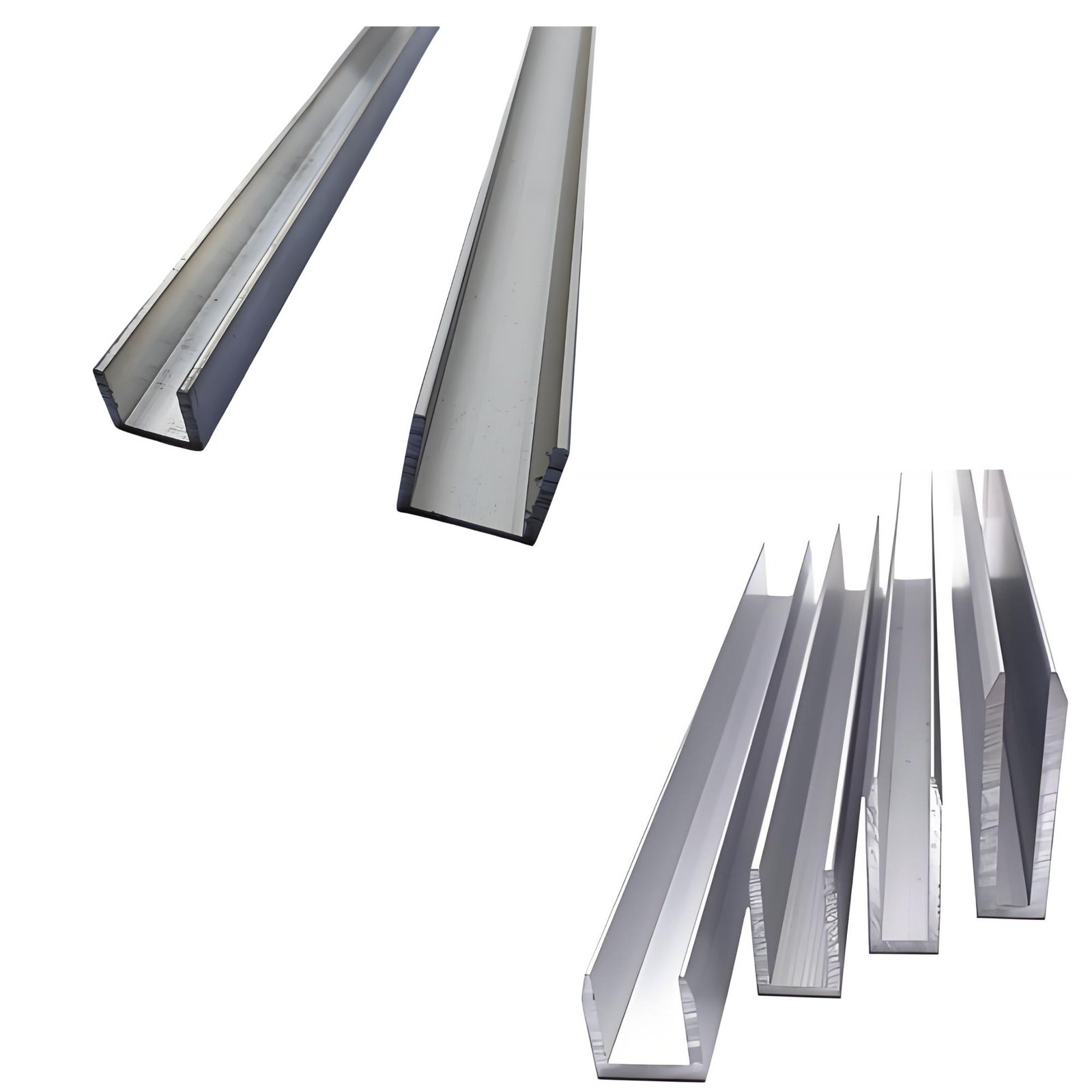
Technical Specifications
Certified precision data per ISO 9001:2015
Details
Certified precision data per ISO 9001:2015
A U-channel is one of the simplest profiles in the catalog. Two legs, a base, a 90° inside corner. It looks easy to specify. Most of the time it’s not — because the geometry that makes a U-channel useful (an open slot that holds glass, slides panels, or carries a cable) is also the geometry that makes it hard to extrude. Two thin legs standing up on a flat base is a metal-flow problem at the press, and a warping problem after the quench. Get the proportions right and the channel does its job for decades. Get them wrong and you’ll see the gap between batches before the building inspector sees the gap between the panels.
Linkedalu Metal Group Co., Ltd extrudes custom aluminum U-channel profiles for glass retention, panel systems, sliding tracks, edge protection, cable management and structural framing. We supply 6063-T5 for visible and architectural work, 6061-T6 when the channel has to carry load, and we walk you through the three engineering decisions that fail most often on U-channel before the die is cut. Mill test certificates against GB/T 5237, EN 755-9 or ASTM B221 ship with every order. We currently ship to 50+ countries across Europe, the Americas, the Middle East, Africa, Asia and Oceania.
A U-channel isn’t a channel. It’s a slot, a track, or a frame.
Three jobs a U-channel actually does on a project.
The U-shape is a 90° pocket. What you do with the pocket defines the application:
- Slot it holds something — glass retention in storefronts and balustrades, panel receivers in facade cladding, signage frame inserts. The legs are the bearing surface; tolerance on leg-height and parallelism is what makes the mating part slide cleanly.
- Track something slides along it — sliding door rails, drawer slides, machine linear guides, cable carriers. The base needs to be flat, the inside corner consistent, and the surface finish must not gall against the moving part.
- Frame it caps an edge — edge protection on countertops and panels, worktop trim, decorative reveals. The channel is the visible detail; the surface finish, the corner radius, and the straightness are what get judged.
U-channel vs C-channel — what you actually get.
A U-channel has two straight legs at 90° to the base. A C-channel adds an inward return lip on each leg, which stiffens the section against local buckling and gives the screw head something to bite into. Use U-channel where the mating piece needs a clean sliding fit and the load is modest (glass, panels, light rails). Use C-channel where the section has to carry more load, mount to a substrate with self-tapping screws, or hold a rigid insert against pull-out. They look similar; they behave differently.
The three decisions that fail most often on U-channel
1. Adjacent wall-thickness ratio (the silent cause of warping).
Hot aluminum leaving the die cools unevenly. Thick sections cool slower than thin sections, and the differential contraction distorts the profile as it leaves the press. The rule most extrusion designers use: keep the ratio between adjacent wall thicknesses at 2:1 or less. A 3 mm leg next to a 1.5 mm tongue is fine. A 3 mm leg next to a 1 mm tongue will twist, even when the rest of the section is in tolerance. On a U-channel, the inside corner radius and the leg-to-base wall ratio are where this fails most often. We’ll catch it at die design; if you bring us a drawing with a 4:1 ratio baked in, we’ll flag it before we cut steel.
2. CCD and weight-per-foot (the cost you don’t see until the die is cut).
Two numbers decide whether a custom U-channel is cheap or expensive to produce:
- Circumscribing circle diameter (CCD) — the smallest circle that encloses the entire cross-section. Profiles in the 25–200 mm CCD range extrude efficiently on most presses. Below that, the die work is fine and fragile; above that, you need a larger press and slower speed, which raises the unit cost.
- Weight per foot — keep it at roughly 1.5 kg/m (≈ 1 lb/ft) or less where the geometry allows. Heavier channels need slower press speeds, larger containers in the billet log, and more quench control. None of that shows up on the unit price until the first production run.
These two constraints explain why “just add a return lip and a tongue” is rarely just-add. The drawing review is free; do it before the die is cut.
3. Alloy: visible finish vs structural duty.
Most U-channel spec mistakes are alloy mistakes:
- 6063-T5 — the default for architectural and visible work. Extrudes cleanly, anodizes uniformly, holds enough strength for glass retention, panel receivers, edge trim, light framing.
- 6061-T6 — the structural U-channel. Roughly twice the yield strength of 6063-T5 (240 MPa vs 110 MPa). Specify it when the channel has to carry load, when it’s welded into a frame, or when it sits in a high-vibration assembly.
- 5052 / 5005 — for marine or chemical environments where corrosion dominates over strength.
- 6060-T5 — common European preference for fine, clean sections with tighter visual standards.
We’ll recommend the alloy based on what the channel has to do, not what’s easiest to quote. If a project spec calls for 6061-T6 on a glass-retainer that doesn’t carry load, we’ll ask why before we cut.
Tolerance reality — what extrusion actually holds
Standard extrusion tolerances per GB/T 5237.1 / EN 12020-2.
No extruded profile is perfectly dimensioned. The relevant standard tolerances for architectural and industrial U-channel are:
| Dimension | Standard tolerance |
|---|---|
| Cross-sectional dimension ≤100 mm | ±0.2 to ±0.5 mm |
| Cross-sectional dimension >100 mm | ±0.5 to ±1.0 mm |
| Wall thickness | ±10 % of nominal |
| Length — standard cut | ±1 to ±5 mm |
| Length — precision cut | ±0.1 to ±0.5 mm |
| Straightness | ≤0.8 mm per 1000 mm |
| Twist | ≤0.5° per 1000 mm |
| Angularity (legs vs base) | ≤1–2° |
Where you can tighten — and where you’re paying for nothing.
Tighter tolerances slow the extrusion speed, add inspection steps, sometimes force a die modification, and raise the price. The honest question is: does your assembly actually need it?
- A glass-retainer that the glass fabricator will shim on site can hold standard tolerance on slot depth. Don’t pay for precision where the installer is going to compensate.
- A sliding-track channel that a roller rides against needs parallel legs and flat base. Pay for precision here — the cost is in the warranty, not the unit price.
- A structural C-channel bolted into a frame can hold standard tolerance on the leg length. The bolts will compensate.
State the application on the drawing and we’ll tell you which tolerances the spec needs and which ones it doesn’t.
Where U-channel shows up in real projects
Glass retention and storefront glazing.
Polished or anodized U-channel is the standard receiver for frameless glass in retail storefronts, office partitions and balustrade base shoes. The channel width has to match the glass thickness (commonly 8 / 10 / 12 mm), the leg height has to leave the right daylight above the glass for the setting block and sealant, and the inside corner has to be smooth so the glass doesn’t chip during installation. 6063-T5 with a clear or black anodized finish is the default; for coastal sites we move to PVDF on the surrounding frame and anodizing on the channel itself.
Panel systems, signage frames and architectural trim.
Aluminum U-channel is the standard insert-receiver for ACM, HPL and decorative panel cladding. The slot depth sets the reveal, the leg parallelism sets how cleanly the joint reads, and the finish has to match the panel manufacturer’s color spec. We run PVDF on the same coating line as the panel manufacturer so batch-to-batch color stays inside ΔE1.5.
PV module frames and solar mounting.
U-channel is the structural backbone of framed PV modules and many solar mounting rails. The section has to hold an anodized finish that survives 25 years of UV and salt-spray exposure, hold dimensional tolerance on the slot that the mounting clamp engages, and stay straight across 6 m mill lengths. 6063-T5 with a Class AA15 anodized finish is the standard; we add a UV-stable clear topcoat on request for high-irradiance sites.
Machine guards, cable trays and edge protection.
U-channel is the standard trim for machine enclosures, control panel doors, and cable trays. 6063-T5 is the default; 6061-T6 when the guard has to pass an impact test. We supply cut-to-length, drilled, mitred and labeled to the enclosure builder’s drawing.
Furniture, retail fit-out and display.
U-channel is everywhere in shop fitting — display frames, shelf light recesses, signage holders, kick plates. 6063-T5 anodized is the default; we supply short production runs (under 500 kg) from existing dies to keep the unit cost down for fit-out contractors.
Manufacturing capability
Alloys and temper for U-channel duty.
- 6063-T5 — visible, architectural, light-duty framing.
- 6061-T6 — structural, welded, machine guards.
- 6060-T5 — European preference, fine cross-sections.
- 5052 / 5005 — marine or coastal exposure where strength is secondary.
Surface finishes.
- Mill finish — standard supply.
- Anodizing — Class AA10 / AA15 / AA20, clear / champagne / bronze / black.
- Powder coating — architectural-grade, ≥40 μm, Qualicoat or GSB certified.
- PVDF (fluorocarbon) — 2-coat / 3-coat / 4-coat, AAMA 2605 reference.
Fabrication.
Cut-to-length, drill, slot, mitre and label to your elevation or call-up list. Slot tolerances held to ±0.15 mm where the mating part requires it. Packed in sequence to your installer’s call-up list.
How a U-channel order moves through the mill
- You send the drawing — slot depth, leg length, wall thickness, alloy, finish, fabrication list.
- We review for extrudability, check wall-thickness ratios, CCD and weight-per-foot, and return a proposal with the alloy and finish we recommend.
- New die or reused die; locked to a single billet batch.
- Extrusion → straightening → cut-to-length → CNC drilling / slotting / mitring → finish → labeling.
- MTC (EN 10204 3.1) issued to GB/T 5237, EN 755-9 or ASTM B221.
- Packed and labeled to your call-up list.
Frequently Asked Questions
Q1: What tolerances can I expect on a custom aluminum U-channel?
Per GB/T 5237.1 and EN 12020-2, standard extrusion tolerances are: cross-sectional dimension ≤100 mm = ±0.2 to ±0.5 mm; >100 mm = ±0.5 to ±1.0 mm; wall thickness = ±10% of nominal; length standard cut = ±1 to ±5 mm, precision cut = ±0.1 to ±0.5 mm; straightness ≤0.8 mm per 1000 mm; twist ≤0.5° per 1000 mm. Tighter tolerances are achievable but they slow the press, add inspection, and sometimes force a die modification — so the spec needs to need it.
Q2: My U-channel has a 4:1 wall-thickness ratio. Will it warp?
Likely, yes. The rule most extrusion designers work to is adjacent wall thicknesses ≤ 2:1. Beyond that, thick sections cool slower than thin sections during the quench and the differential contraction twists the profile as it leaves the press. On a U-channel this shows up first at the inside corner radius and where the leg meets the base. We’ll flag it at die design and propose one of three fixes: redistribute material toward the thin section, add a fillet to ease the transition, or add internal stiffening.
Q3: Should I specify 6063-T5 or 6061-T6 for a U-channel?
6063-T5 is the default for visible and architectural work — it extrudes cleanly, anodizes uniformly, and holds enough strength for glass retention, panel receivers and light framing. Specify 6061-T6 when the channel has to carry load, when it’s welded into a frame, or when it sits in a high-vibration assembly — its yield strength is roughly double (240 MPa vs 110 MPa). For marine or chemical environments where corrosion dominates, consider 5052 or 5005.
Q4: What’s the difference between a U-channel and a C-channel?
A U-channel has two straight legs at 90° to the base. A C-channel adds an inward return lip on each leg, which stiffens the section against local buckling and gives a screw head something to bite into. Use U-channel where the mating part needs a clean sliding fit and the load is modest — glass retention, panel receivers, light sliding tracks. Use C-channel where the section has to carry more load, mount to a substrate with self-tapping screws, or hold a rigid insert against pull-out.
Q5: What’s the minimum order quantity for a custom aluminum U-channel?
For a new die, typically 500 kg to 2 metric tons, depending on section size, alloy and finish. For sections already in our die library, we can supply as little as 200–500 kg from existing stock or a short production run. MOQ is flexible.
Q6: What documents ship with a U-channel order, and which countries do you export to?
A mill test certificate (EN 10204 3.1) with measured mechanical properties, chemical composition and coating parameters, issued to GB/T 5237, EN 755-9 or ASTM B221 as the project requires. C/O, Form A, Form F where the destination requires it. We currently ship to 50+ countries — facade contractors, solar EPCs, retail fit-out teams, machine builders and furniture OEMs across Europe, the Americas, the Middle East, Africa, Asia and Oceania. We are ISO 9001 and ISO 14001 certified.
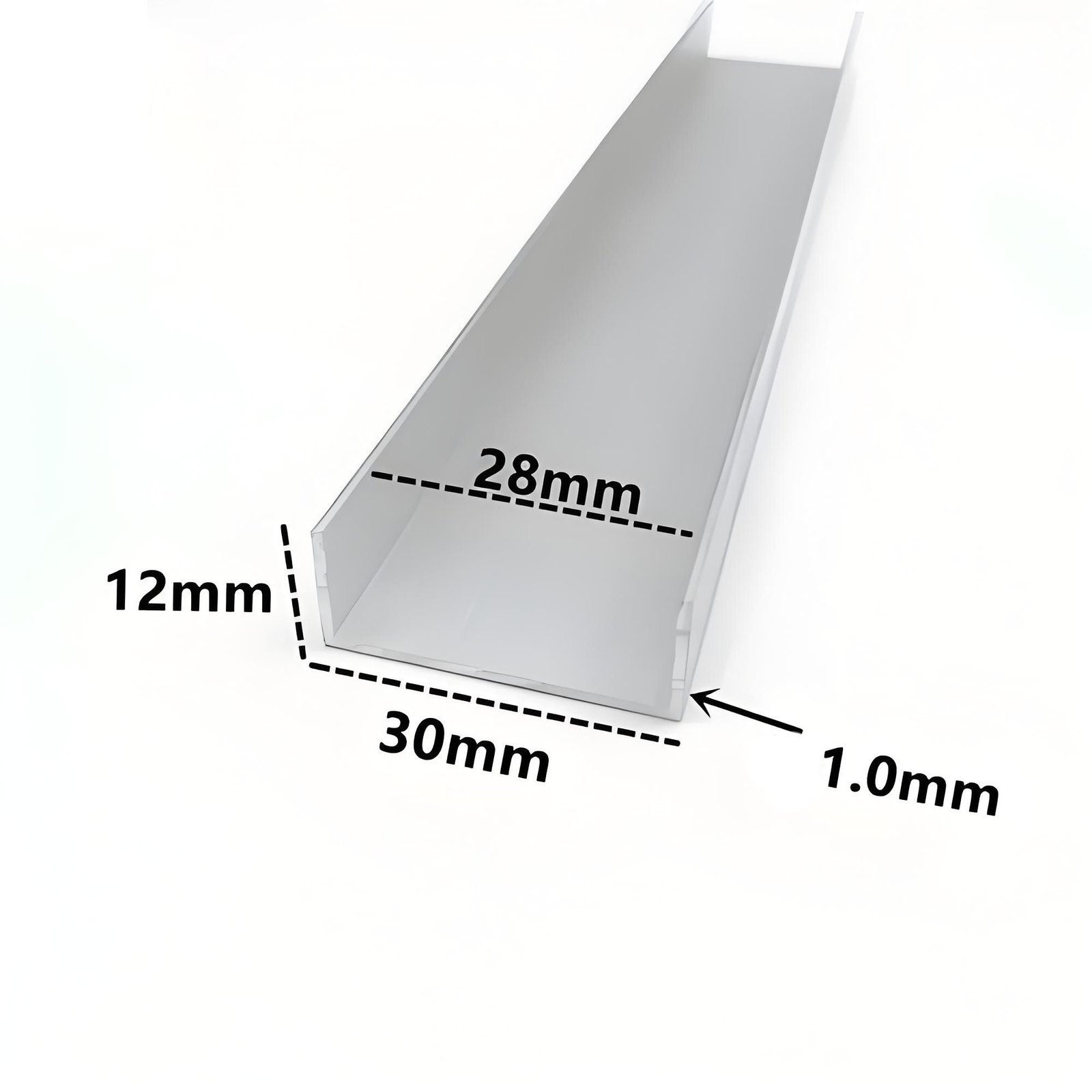
Schematics
Cross-sectional dimensions
Related Profiles
Complementary hardware for your structural assembly
Aluminum Extrusions for Roof Racks and Tent Frames—Made to Your Drawings, Built for the Outdoors
Custom aluminum extrusions for car roof racks, crossbars, roof rails, and tent frames. 6061-T6 & 6063-T5. Anodized, powder coated, PVDF.…
Details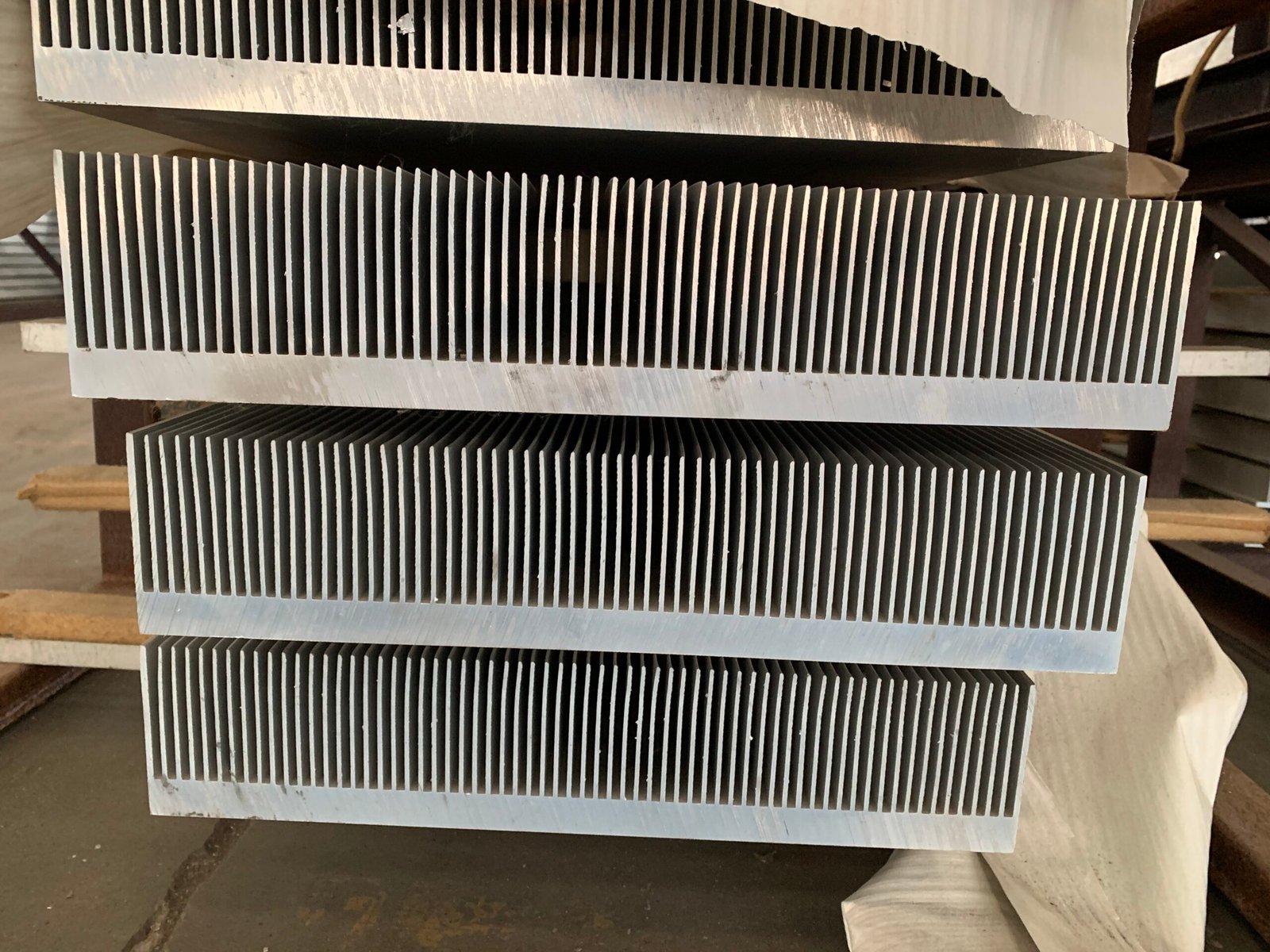
Custom Aluminum Heat Sink Extrusions | 6063 LED & Power Heatsink Profiles
We extrude custom aluminum heat sink profiles in 6063-T5. Capabilities include high-density fins (up to 1.5mm pitch), black anodizing for…
Details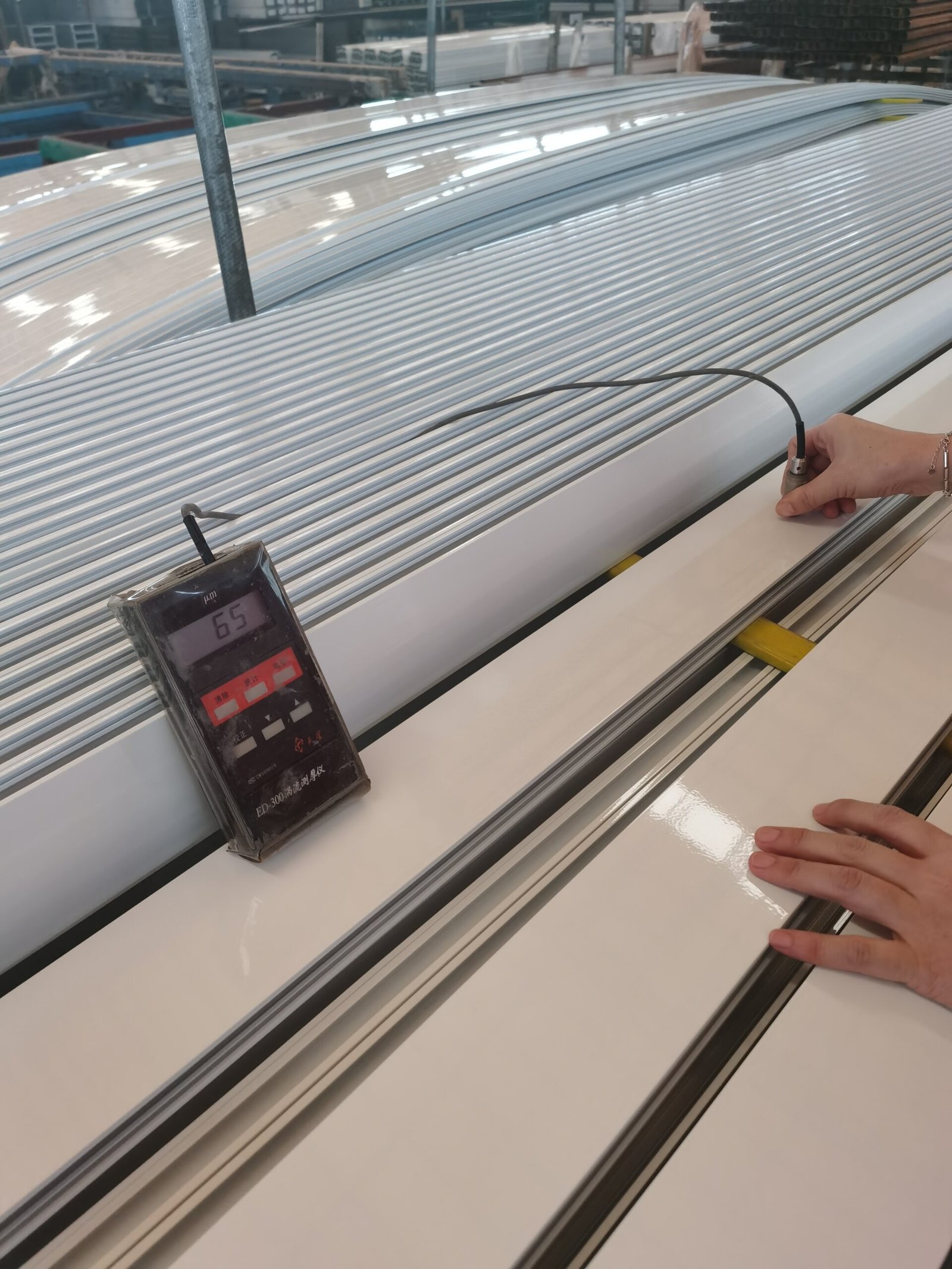
Custom Powder Coated Aluminum Window & Door Profiles
Custom powder coated aluminum window and door profiles. Standard polyester, super-durable, and PVDF powders explained. Indoor vs outdoor vs coastal.…
Details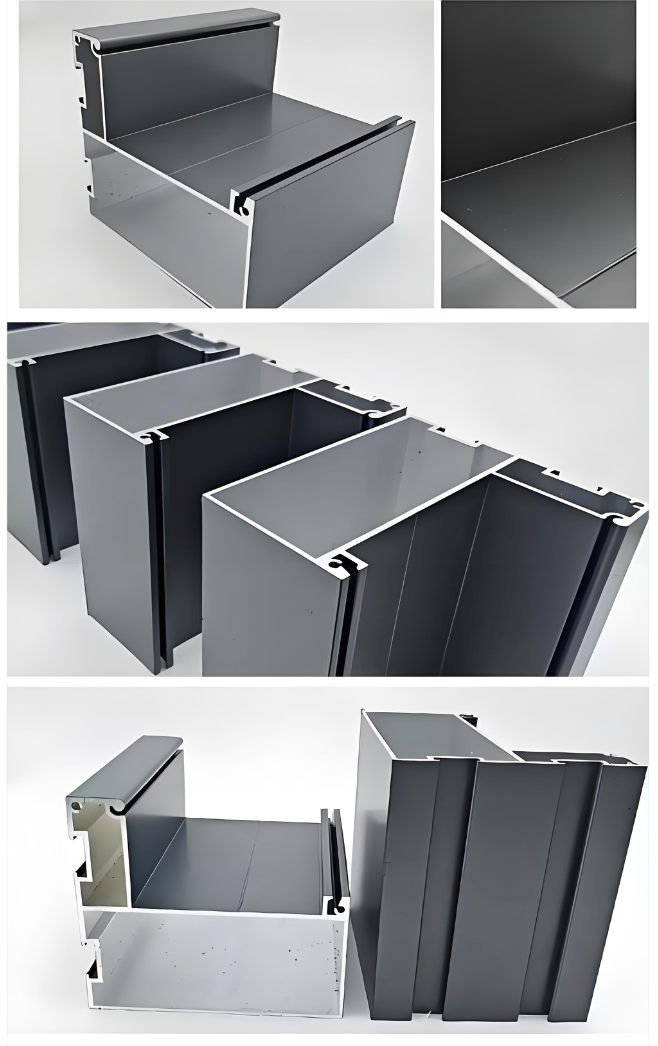
Custom Aluminum Sunroom, Screenroom & Veranda Extrusions | Full Frame Systems
Custom extruded aluminum sunroom profiles—beams, columns, rafters, gutters, glazing beads. 6063-T6 & thermal break. One batch, one color. PVDF, powder…
Details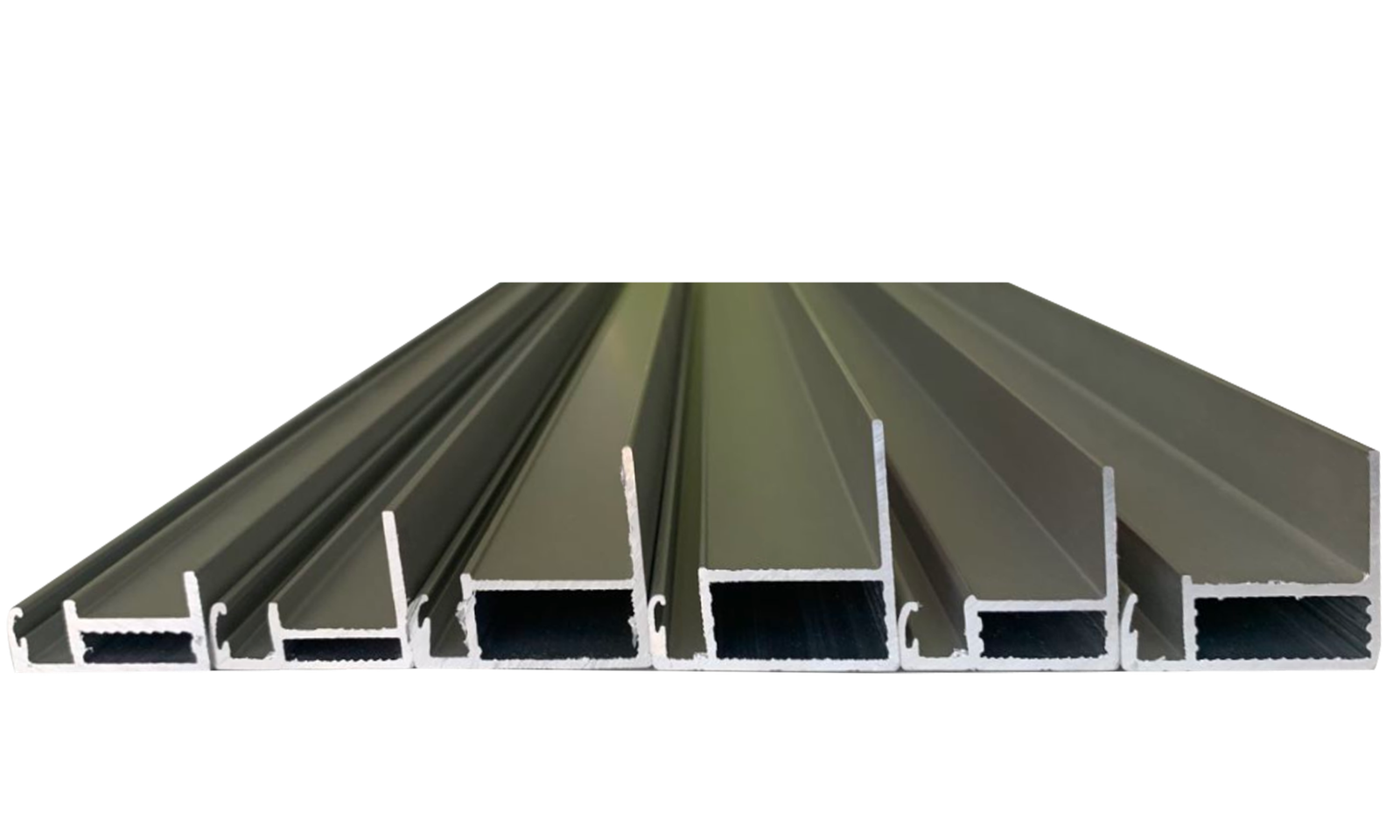
Aluminum Solar Panel Frame Extrusions | PV Module Frames
Custom aluminum solar panel frames. 6063-T5/T6, anodized AA15/AA20. Tight straightness, pre-punched holes, no twist. Stop micro-cracks & corrosion. Cut, punched,…
Details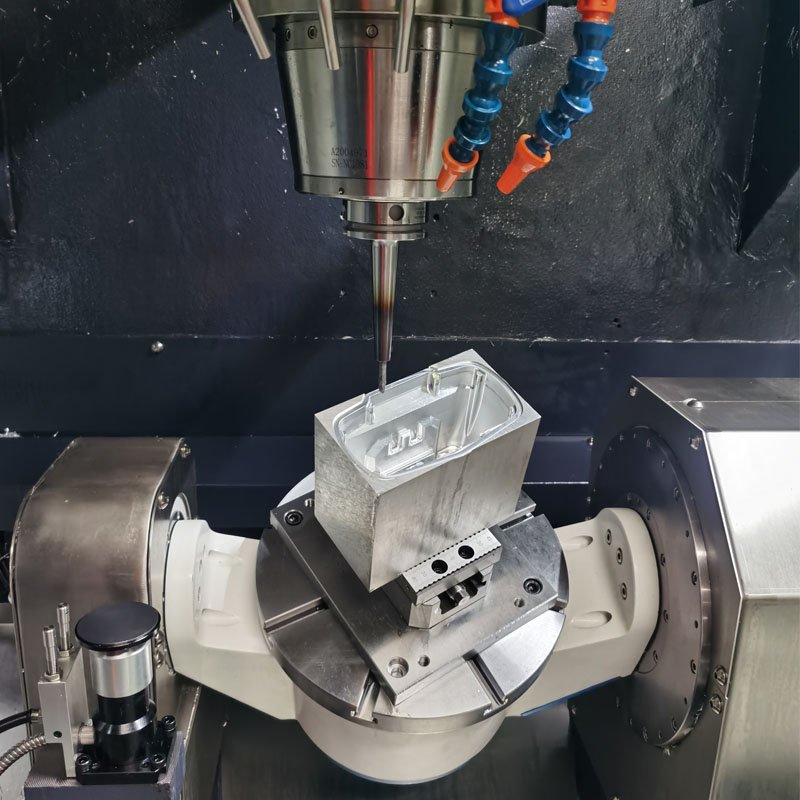
Aluminum Profile CNC Deep Processing Services: From Extrusions to Ready-to-Assemble Components
aluminum profile CNC deep processing, precision aluminum cutting and drilling, custom industrial aluminum components, aluminum extrusion post-processing factory, Linkedalu Metal…
Details