Custom Aluminum Sunroom, Screenroom & Veranda Extrusions | Full Frame Systems
Custom extruded aluminum sunroom profiles—beams, columns, rafters, gutters, glazing beads. 6063-T6 & thermal break. One batch, one color. PVDF, powder coat, anodized. Send drawings.
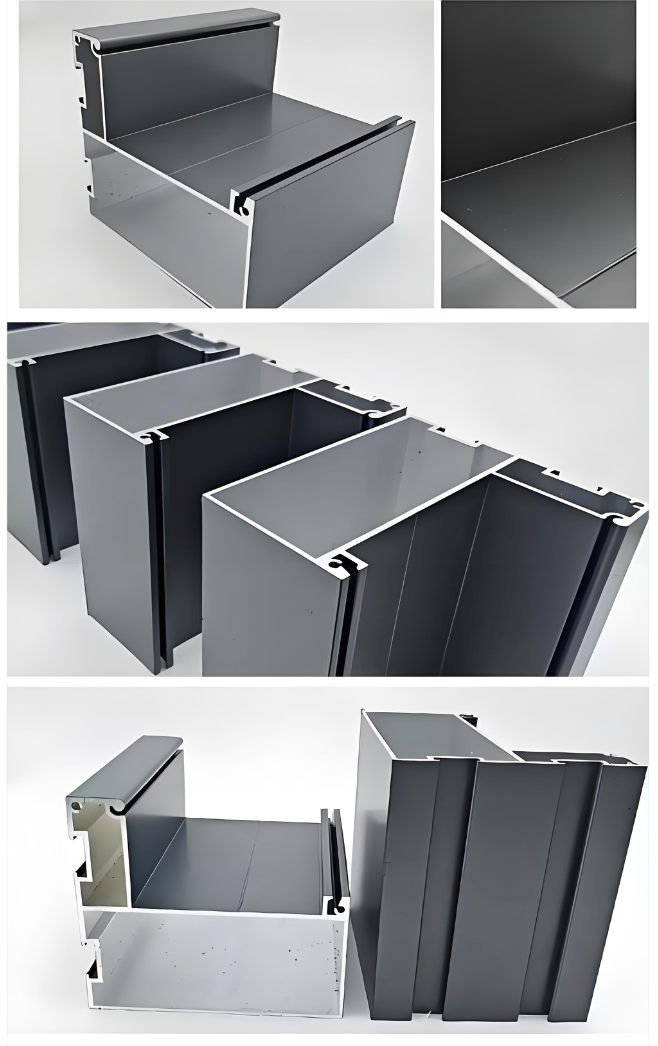
Technical Specifications
Certified precision data per ISO 9001:2015
Details
Certified precision data per ISO 9001:2015
What We Make
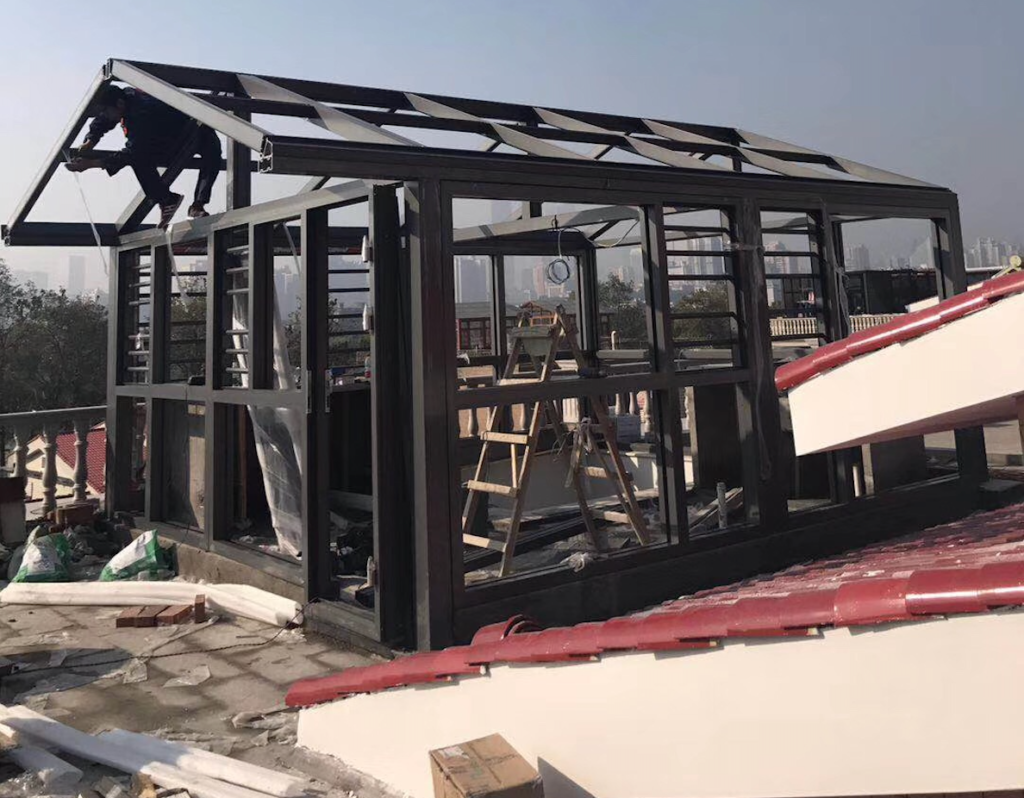
We extrude aluminum profiles for sunrooms, screenrooms, conservatories, and verandas. Every profile we produce starts as your drawing—whether it’s a full system with thirty unique sections or a single beam you’ve been struggling to source.
We don’t keep a catalog of sunroom and verandas shapes. The cross-sections that work for a compact patio enclosure in a mild climate won’t work for a 5-meter-span glass roof that has to hold 120 kg/m² of snow. So we build the die around your specific span, glass weight, and local building code.
What we do have is experience with the parts that cause problems: beams that deflect too much, gutters that overflow, thermal breaks that separate, and frames where the rafters arrive a slightly different shade than the columns. We’ve fixed those problems in the way we extrude, finish, and package.
A Sunroom Is a System, Not a Pile of Bars
You can buy aluminum rectangular tube off the shelf and build something. But a proper sunroom uses purpose-designed extrusions that each handle a specific job. We extrude the entire set:
Main beams (ridge beams and cross beams)
These carry the roof. The cross-section has to resist bending under snow and glass weight. We’ll size the moment of inertia to your span—no guessing.
Rafters (sloped roof bars)
They support the glass directly. The top face has a flat glazing platform and a groove for the glazing bead. If you want an integrated shade track hidden underneath, we put it in the die.
Front columns and rear columns
Rear columns usually sit against a wall, so you might want a half-profile. Front columns are freestanding and take the full roof load plus wind. We can do both in the same system.
Integrated gutter
The lowest rafter or a dedicated gutter section that catches runoff. We extrude it with the correct slope built into the profile and a drip nose so water doesn’t track back to the wall. We’ll also pre-machine drainage outlets.
Glazing beads (snap-in or screw-fixed)
They hold the glass in the rafter and column grooves. The fit has to be tight—±0.15 mm on the leg that clips in. Too loose and the glass rattles. Too tight and your installers will hate you.
Base tracks and connector stock
The bottom track that anchors to the deck or concrete. We also extrude the aluminum angle that gets cut into corner connectors and joint brackets.
All of these profiles are extruded from the same billet heat, surface-finished in the same coating run, and shipped together. There’s no separate sourcing, no staggered arrivals, and no shade variation between the beam and the glazing bead.
The Design Details That Prevent Callbacks
These are the things we’ve learned to pay attention to—because they’re exactly what goes wrong when a profile is designed without enough practical experience.
Structural stiffness
Before we cut steel, we check the section modulus and moment of inertia of your main beams and rafters against the span and load. If a 6063-T5 profile is going to deflect more than L/200 under full snow load, we’ll tell you. Then we’ll suggest either moving to 6063-T6, switching to 6061-T6, or adding internal ribs to stiffen the section without making the whole profile heavier. For reference, 6061-T6 gives you roughly 50% more yield strength than 6063-T5.
Thermal break that stays put
A thermal break isn’t just a nylon strip pressed between two aluminum halves. It has to survive decades of heat cycling and structural load. We use PA66 with 25% glass fiber (GF25), and we knurl the aluminum groove before rolling the strip in. The mechanical interlock is tested for shear strength. If your sunroom needs thermal insulation, we’ll extrude the inner and outer profiles, roll the strip, and then surface-finish the assembled piece—so the coating covers the visible faces uniformly.
Water: give it one clear path out
Most sunroom leaks aren’t sealant failures. They’re design failures—water enters a joint and has nowhere to go. We integrate drainage channels into beams, rafters, and gutters during extrusion. The gutter profile has a built-in slope, a drip edge, and enough capacity to handle heavy rain. We can pre-drill the outlet holes to your downpipe positions so the installers don’t have to guess where to drill.
Thermal expansion—aluminum moves twice as much as glass
Aluminum expands about 2.5 times more than glass for the same temperature change. On a 6-meter beam with a 40°C swing, the length changes by over 5 mm. If the glazing pocket doesn’t leave room for that movement, you’ll crack the glass or tear the seal. We size the glass pocket depth with enough clearance and recommend slip joints at frame corners for longer spans.
Aluminium Alloy Options
| Alloy & Temper | What It’s Good For |
|---|---|
| 6063-T5 | Smaller spans (up to 2.5 m), moderate climates. Extrudes beautifully, finishes beautifully. |
| 6063-T6 | Medium spans (2.5–4 m), areas with real snow. About 30% stronger than T5, same surface quality. |
| 6061-T6 | Large spans (over 4 m), heavy snow, hurricane zones. The strongest of the three. |
If you’re not sure, send us the span, glass spec, and location. We’ll recommend the right one.
Finishes That Match the Environment
| Where the Sunroom Is | Recommended Finish | Why |
|---|---|---|
| Inland, normal weather | Powder coat, 60–80 µm | Wide color choice, good UV resistance, cost-effective for most projects |
| Coastal or industrial | PVDF fluoropolymer, 3-coat, ≥35 µm | Resists salt spray and pollution. 20+ year lifespan on seafront buildings |
| Wood-grain look | Sublimated wood effect + clear PVDF topcoat | Looks like timber, behaves like aluminum. Needs the topcoat for UV protection |
| Modern metallic look | Anodized AA15–20, sealed | Keeps the aluminum texture. Not recommended for roof sections in high-UV areas unless sealed properly |
One practical note: the roof of a sunroom takes far more UV and heat than the vertical walls. It’s common to use a higher-grade finish on the roof profiles and a standard powder coat on the sides. We can manage that split in one order.
Machined and Ready to Assemble
Most sunroom fabricators don’t want to receive 6-meter bars and do all the cutting and drilling themselves. Our CNC shop handles:
- Precision sawing (straight and angled cuts, ±0.1 mm)
- End milling (notches, steps, miter joints)
- Drainage hole drilling (to your gutter layout)
- Tapping for screws and connectors
- Part labeling (each piece marked to match your assembly drawing)
You receive a kit of parts, not a pile of raw material.
Frequently Asked Questions
Q1: Our beam span is 4.8 meters and we get heavy wet snow. Can your profiles handle that without sagging?
A: We’ll need to check the section, but in most cases, yes—with the right alloy and design. We pre-check the moment of inertia against your span and load. For 4.8 m under high snow load, you’re almost certainly looking at 6061-T6 and possibly an internal rib or a slightly deeper section. We’ll tell you before any steel is cut whether your current drawing works or needs a small adjustment. No surprises.
Q2: We’ve had issues with thermal break strips separating from the aluminum after a few years. How do you prevent that?
A: The separation usually comes from a weak mechanical bond. We knurl the aluminum groove before rolling the PA66 strip in, so the teeth bite into the nylon. After rolling, every batch is shear-tested. Combined with the glass-fiber reinforcement in the nylon, the joint holds through thermal cycling and structural load. We haven’t had a separation claim on a sunroom project yet.
Q3: The last supplier sent rafters and frames that were visibly different shades. How do you control color consistency?
A: For a sunroom project, we extrude every single profile—beams, rafters, columns, gutters, beads—from the same billet batch, then anodize or coat them all in one production run. We keep a physical reference sample from the first batch. If you reorder later, we match to that sample with a ΔE ≤ 1.0 tolerance. It’s a single-project, single-batch discipline.
Q4: We’re building 200 meters from the ocean. What finish do you recommend?
A: PVDF, three coats, no question. Salt spray will attack powder coat scratches and undercut anodized layers over time. PVDF fluorocarbon is the standard for coastal sunrooms—it’ll give you 20-25 years with minimal maintenance. The roof profiles especially need it because they’re exposed at the worst angle to salt-laden wind and rain.
Q5: We only need one sunroom. Is that too small for a custom extrusion order?
A: There’s a minimum order quantity of 500 kg per new die, which can feel high for a single residential project. But a full sunroom system with all the profiles often meets that number. If it’s genuinely a small job, talk to us anyway—sometimes we can adapt an existing die from a previous project if the sections are similar, which brings the cost down. We won’t know until we see your drawing.
Schematics
Cross-sectional dimensions
Related Profiles
Complementary hardware for your structural assembly
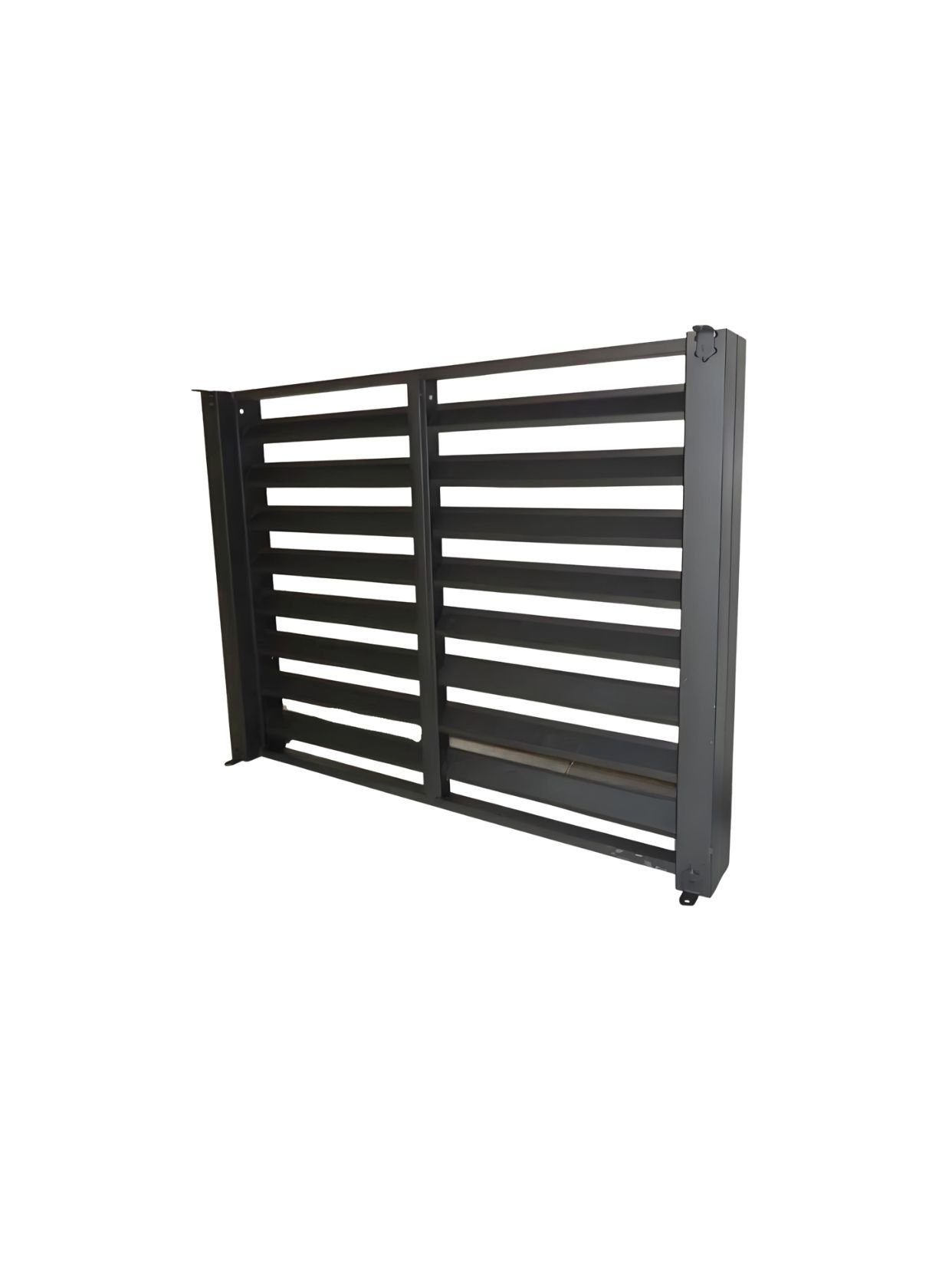
Custom Aluminum Louver Extrusion Profiles: High-Performance Architectural Sunshades & Facade Blades
Custom extruded aluminum louver profiles for building facades, sunshades, and ventilation systems. Z-blade, aerofoil, and C-blade designs in 6063-T5. Anodized,…
Details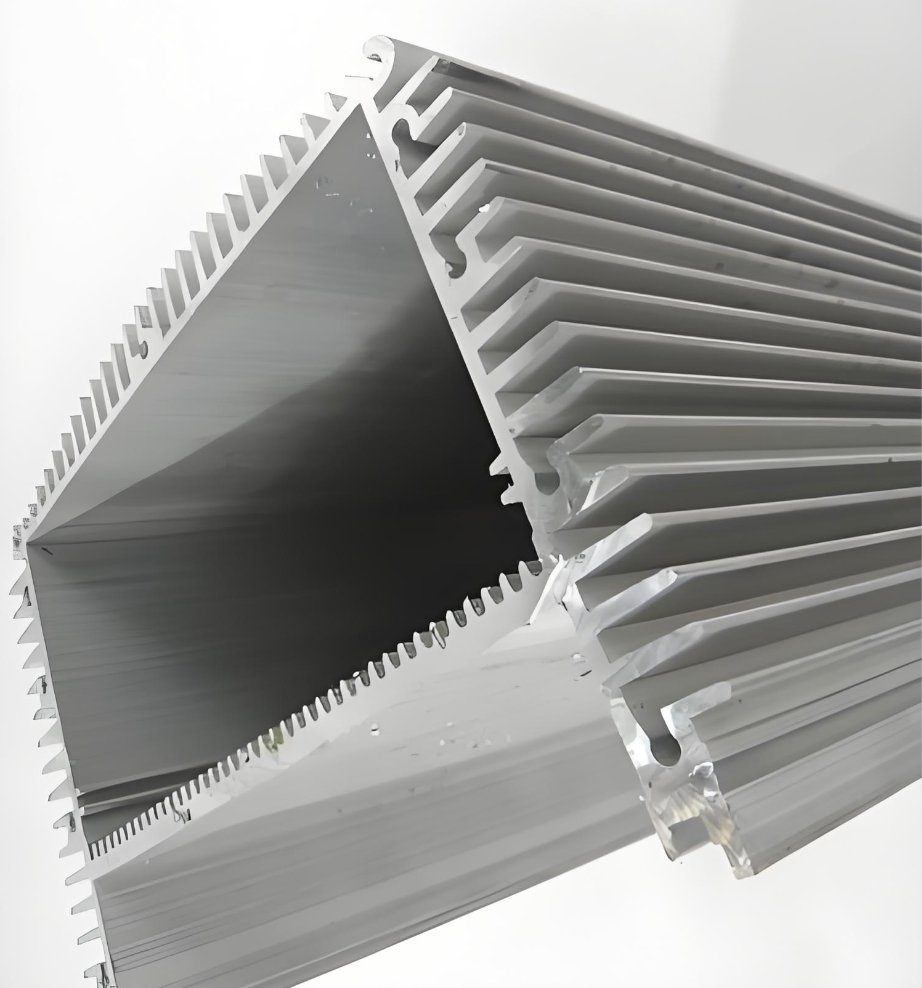
LED Light Aluminum Extrusion Profiles | Housing, Channels & Rails
Custom aluminum profiles for LED tube lights, linear fixtures, strip channels, and track rails. 6063-T5, black or silver anodized. Pre-cut,…
Details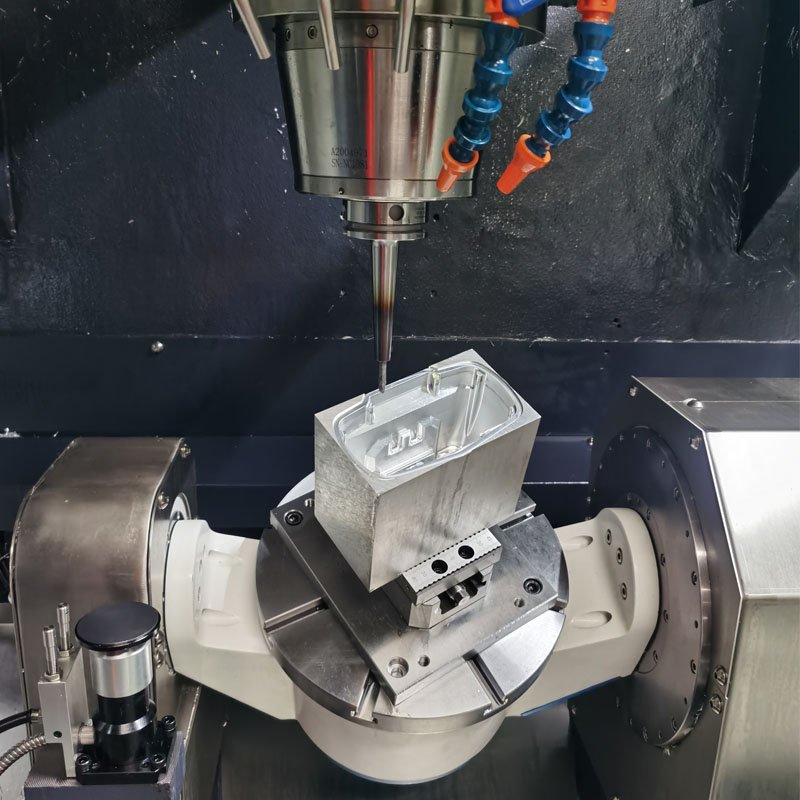
Aluminum Profile CNC Deep Processing Services: From Extrusions to Ready-to-Assemble Components
aluminum profile CNC deep processing, precision aluminum cutting and drilling, custom industrial aluminum components, aluminum extrusion post-processing factory, Linkedalu Metal…
Details