A Louver Is a Thermal-Control System, Not a Trim Piece
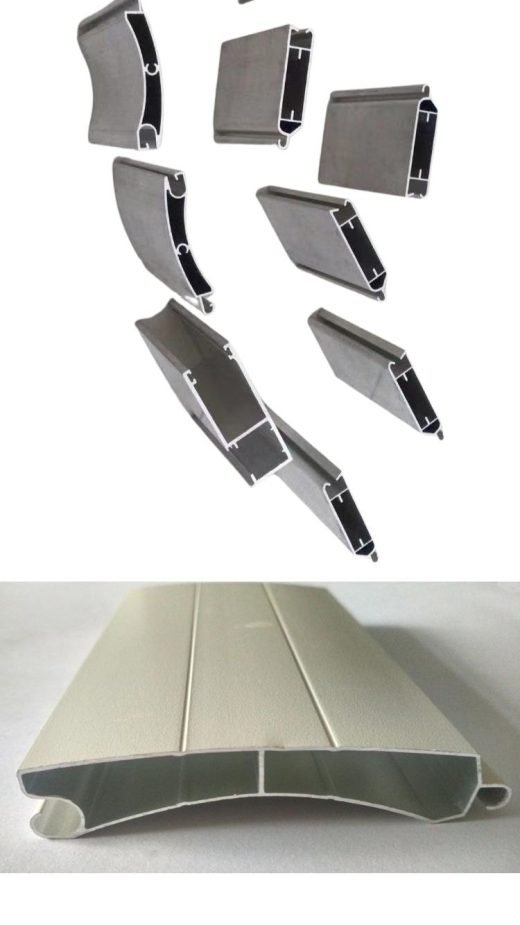
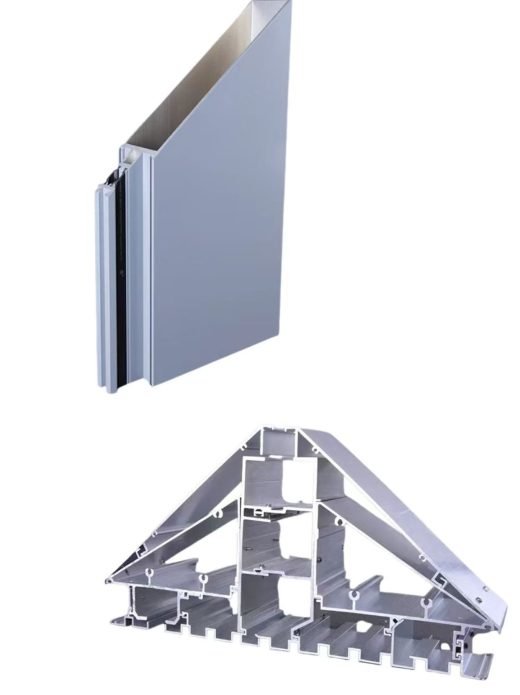
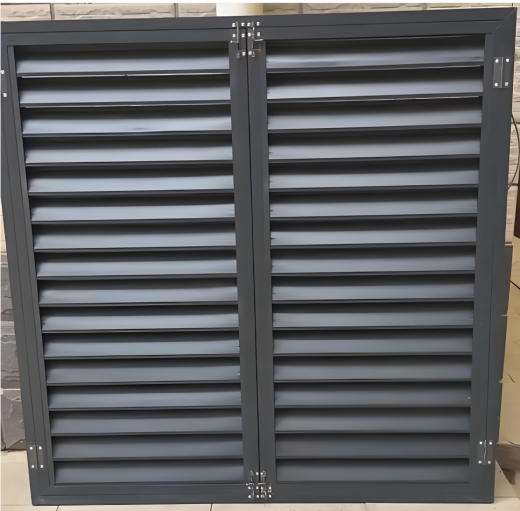
A louver on a high-rise is often treated as a finish detail, a decorative band that makes a facade look better in a rendering. It is not. On a glazed office tower, a correctly engineered fixed sunshade array reduces cooling load by roughly 8 to 15 percent. On a west-facing school it can move afternoon glare from unworkable to comfortable. On a parking structure it can conceal the majority of the cars from the street view while still admitting useful daylight. Linkedalu Metal Group Co., Ltd extrudes custom aluminum louver profiles for exactly these duties — fixed sunshades, operable systems, parking structure screens and architectural feature blades — engineered to your solar, wind and visual-comfort criteria rather than a catalog default.
What a Louver Does to a Building's Energy Load
Most glazing specifications are written for visible light transmission and U-value. They do not account for solar heat gain through a glass envelope at two in the afternoon in August. A shading system does, and it works on the geometry of the blade rather than on the glazing itself: blade depth, pitch, tilt and projection together decide how much direct sun is intercepted and how much diffuse daylight still reaches the interior. Because the section is extruded to your drawing, that geometry is set by calculation, not by the nearest available catalog blade.
Louver Applications and What Each Demands
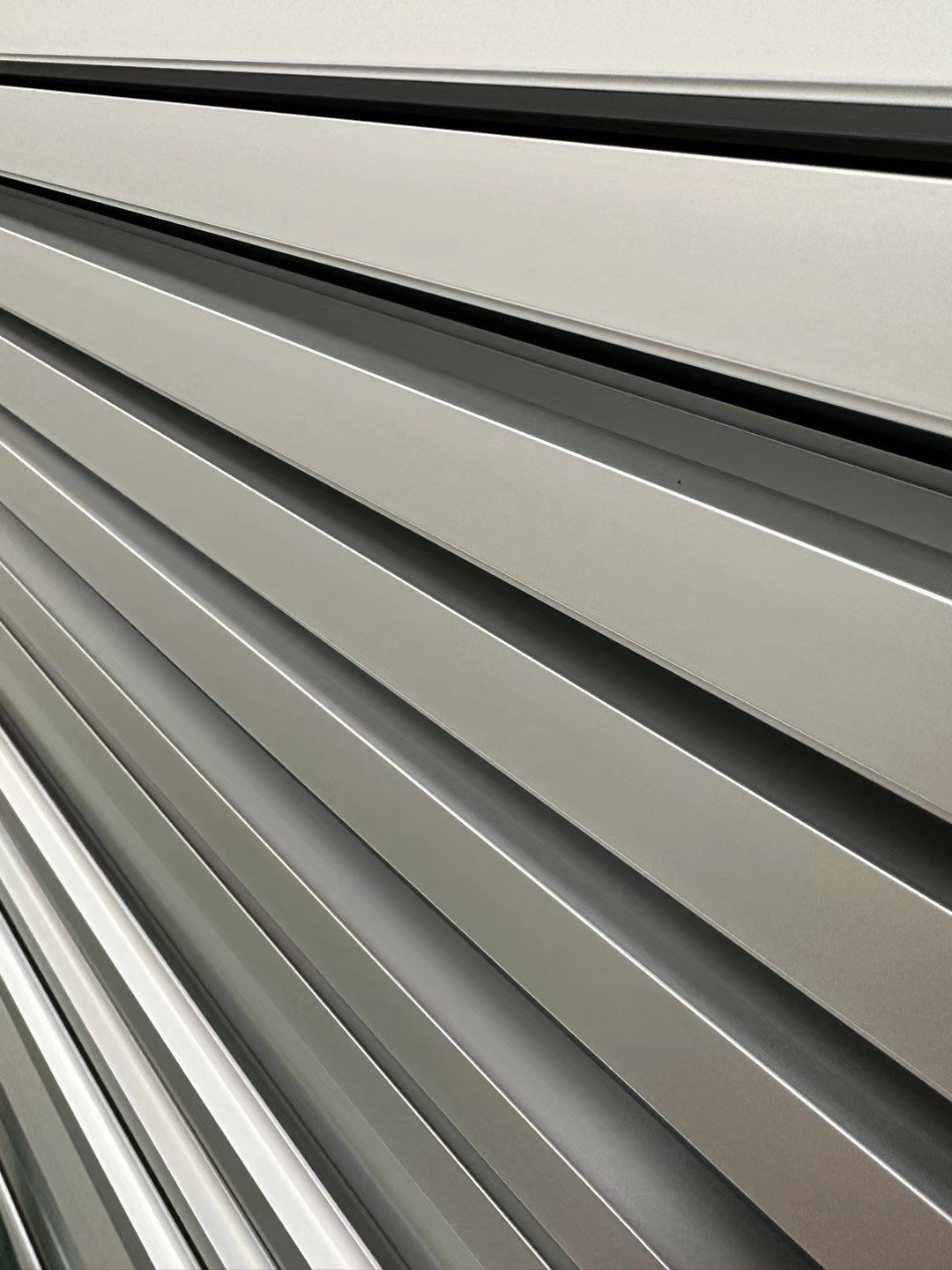
- Facade sunshades. Long, straight blade runs where stiffness across the span and a clean sightline both matter.
- Parking structure screens. High-coverage arrays that hide vehicles from the street while maintaining ventilation and daylight, which puts the emphasis on blade pitch and open area.
- Operable systems. Blades that rotate on the drive linkage, so slot geometry and tolerance decide how smoothly the array moves over decades of use.
- Ventilation and plant screening. Sections used where airflow and visual screening outweigh shading performance.
Engineering, Extrusion and Machining Sequence
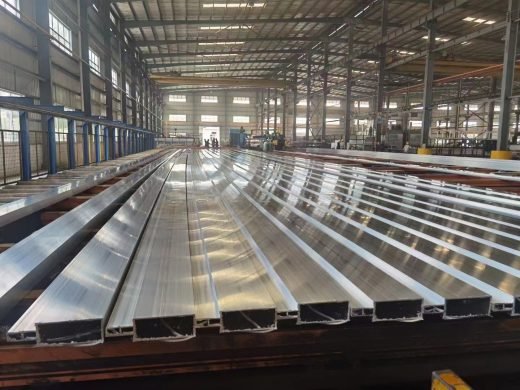
Each order follows one route. A new die is cut or an existing die is reused, and the run is locked to a single billet batch so the mechanical properties and color stay uniform. Extrusion runs through straightening and cut-to-length, then CNC drilling and milling, then the finish, then labeling. The mill test certificate is issued to GB/T 5237, EN 755-9 or ASTM B221 with measured mechanical properties and coating parameters. Finally the profiles are packed and sequenced to your installer's call-up list. On the integration side we provide bracket geometry that does not break the curtain wall's drainage or sealant plane.
Finishes by Climate
Finish selection is driven by exposure. For a typhoon-zone coastal site such as Manila, Ho Chi Minh City or Jakarta, PVDF at AAMA 2605 specification and at least 30 um over primer holds color and gloss under salt spray and UV better than standard polyester powder. Inland projects with moderate exposure are usually well served by a super-durable polyester powder, and interior or sheltered louver screens can use a lighter architectural coat.
Alloy Choice for Blade Span
6063-T5 is the standard alloy for architectural louver extrusion: it forms clean blade sections, anodizes and coats evenly, and carries typical facade spans. It is not the only option. Where blade span, wind pressure or local code demand higher strength, T6 or 6061 is used, and the choice is confirmed against your structural criteria before the die is cut.
Sequence Packing and Site Coordination
Louvers arrive in the order the installer will fit them. Profiles are packed in sequence to the call-up list, with bundle labels traced to the billet batch and the coating run behind them, so a crew can work elevation by elevation instead of sorting mixed bundles on the scaffold. For facade-mounted arrays, the bracket geometry we supply is designed not to break the curtain wall's drainage path or its sealant plane, which is the point where shading systems most often cause leaks when they are added to an existing envelope. Operable arrays are packed by zone so that blades, linkage channels and drive components for one section arrive together.

 Architectural Aluminum
starFeatured
Architectural Aluminum
starFeatured