Custom Aluminum Rectangular Tubes | 6063 & 6061 Extruded Tubing | Linkedalu Metal Group CO.,Ltd
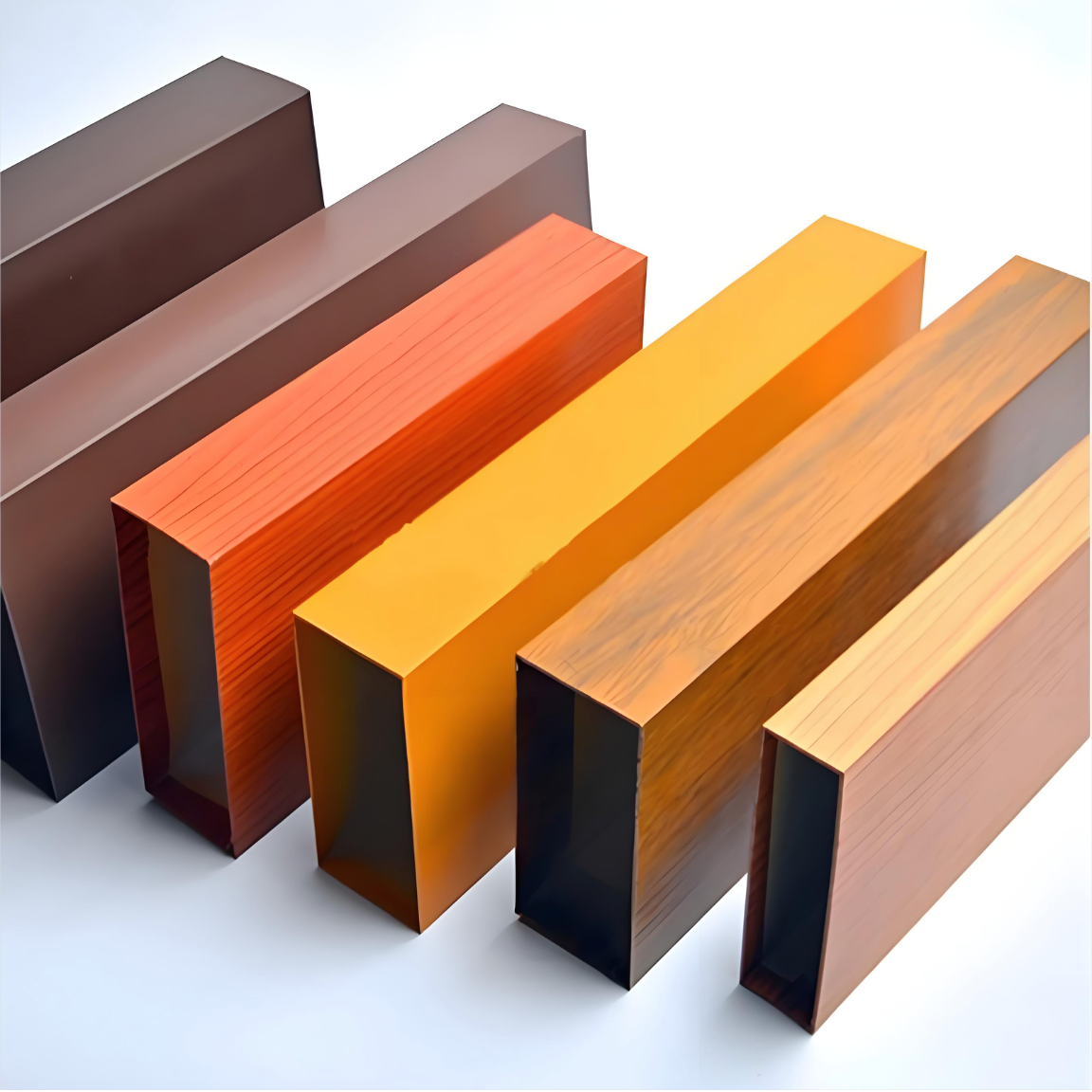
Factory-direct custom extruded aluminum rectangular tubes & flat pipes. 6063/6061 alloys, tailored wall thicknesses & interior ribs. CNC fabrication & premium finishes.
Technical Specifications
Certified precision data per ISO 9001:2015
Details
Certified precision data per ISO 9001:2015
If you’ve ever been forced to use a standard tube size that was ‘close enough’ but not quite right, you know the frustration. Custom aluminum rectangular tubes solve that problem of structural rigidity, weight minimization, and long-term durability. While standard steel or off-the-shelf welded pipes have historically been the default choices for frameworks, the shift toward high-performance automation, sustainable energy infrastructure, and advanced commercial architecture requires a more sophisticated solution.
Custom-extruded aluminum rectangular tubes (also referred to as flat pipes or rectangular hollow sections) have emerged as a premier material for high-stress applications. Unlike standard mass-market profiles, custom-engineered aluminum extrusions allow designers to break free from rigid catalog constraints and optimize components down to the millimeter.
The Structural Advantages of Custom Profiles over Standard Options
When procurement teams buy standard, off-the-shelf tubing, they are forced to make immediate engineering compromises. If a standard tube’s wall thickness is slightly insufficient for a load bearing point, the team must upgrade to the next standard size. This adds unnecessary dead weight, increases material costs, and expanding the overall footprint of the assembly.
Custom extrusion completely changes the equation. By manufacturing the profile via hot extrusion from a dedicated die, engineers gain complete control over the cross-section. Key benefits include:
- Asymmetrical and Tailored Wall Thicknesses: Material can be concentrated precisely where structural forces are highest (such as the primary load-bearing walls) while non-structural faces can be kept thin to minimize weight.
- Integrated Internal Reinforcement Ribs: Custom dies allow for the inclusion of internal webs, dividers, or screw ports during the initial extrusion pass. A single internal rib can increase a rectangular tube’s moment of inertia and torsional resistance by over 30% without expanding its external dimensions.
- Seamless Construction: Unlike rolled steel or aluminum sheets that rely on structural welds, extruded hollow sections are formed as a single, continuous piece of metal. This eliminates structural weak zones, offers superior fatigue life under vibration, and ensures a flawless cosmetic finish during subsequent surface treatments.
Choosing the Right Alloy:
Choosing the correct aluminum alloy and temper is critical to matching the component to its operational environment. The four primary alloys utilized in high-performance rectangular tubing include:
- 6063-T5: This is the most versatile and economical choice. It features excellent extrudability, allowing for complex geometries and thin walls, combined with an exceptionally smooth surface finish. It is highly receptive to anodizing and powder coating, making it ideal for architectural trim, enclosures, and light-duty frameworks.
- 6063-T6: By applying a solution heat treatment and artificial aging, the T6 temper boosts the yield strength of the 6063 alloy by roughly 30%. It maintains the crisp surface aesthetics of the base metal while providing the structural integrity required for medium-load outdoor frameworks and glass curtain wall supports.
- 6061-T6: Known as the workhorse of structural aluminum, 6061-T6 delivers tensile and yield thresholds that rival low-carbon mild steel. It boasts excellent weldability and toughness, making it the industry standard for heavy machinery frames, automated sub-bases, and heavy-duty transportation chassis.
- 6005-T5: Striking a balance between the strength of 6061 and the extrudability of 6063, 6005-T5 exhibits superior bending resistance and experiences very minimal deformation during cooling. It is highly favored for heavy-duty structural beams, solar mounting racks, and rail transit components.
Enhancing Performance Through Surface Engineering
The lifespan and durability of an aluminum tube depend heavily on its surface treatment. Industrial hollow sections require coatings that protect both internal cavities and external faces from environmental degradation:
- Architectural Anodizing (10–25μm): This electrochemical process converts the aluminum surface into a hard aluminum oxide layer. Available in silver, champagne, bronze, and black, anodizing enhances wear resistance, prevents oxidation, and maintains a premium metallic aesthetic.
- Industrial Powder Coating (60–100μm): Utilizing high-grade architectural powders, this finish creates a thick, resilient barrier against impact, chemicals, and UV radiation, ensuring a service life of 10 to 15 years in rugged urban or commercial settings.
- Advanced Electrophoresis: For hollow sections deployed in high-humidity or marine environments, electrophoresis provides a completely uniform paint layer across both the external profile and the hard-to-reach inner walls, guaranteeing comprehensive corrosion defense.
Streamlining the Supply Chain with In-House CNC Fabrication
To further maximize production efficiency, modern manufacturing demands components that arrive at the assembly line fully processed and ready for integration. Partnering with a manufacturer that combines extrusion with precision secondary CNC machining cuts out third-party logistics and minimizes handling damage.
Advanced post-processing services—such as precision miter sawing (holding lengths within $\pm0.1\text{ mm}$), multi-axis CNC drilling, thread tapping (from M3 to M16), and stretch bending—allow raw hollow sections to be converted directly into finished, bolt-ready assembly parts.
Standard shapes are fine for basic projects, but if you want to optimize your product, reduce shipping weights, and eliminate on-site fabrication headaches, custom rectangular tubing is the smartest move you can make. It’s an investment in better engineering. Send us your drawing or sketch. We’ll review it within 24 hours and confirm feasibility—no charge for the review.
FAQ: Real Answers to Common Engineering & Sourcing Questions
Q1: Why should I choose an aluminum rectangular tube over stainless steel square tubing?
A: The biggest differentiator is weight—aluminum is about 65% lighter, which makes handling, shipping, and installation significantly easier and cheaper. On top of that, aluminum has excellent natural corrosion resistance without the risk of the chloride pitting you often see with stainless steel. Visually, anodizing or powder coating gives you an endless choice of colors and premium finishes, whereas steel usually limits you to raw metal or paint. When you add up the material, fabrication, finishing, and zero-maintenance lifespan, aluminum’s total cost of ownership is almost always lower.
Q2: What are the largest and smallest sizes you can extrude?
A: Our standard tooling covers cross-sections anywhere from a compact 10x10mm right up to a massive 200x 100mm (and we can always evaluate larger sizes upon request). For wall thickness, we can go as thin as 0.8mm for lightweight trim, or as thick as 10mm for heavy structural loading. Just send over your blueprints, and our engineers will verify the manufacturability for you.
Q3: Can you make a rectangular tube with uneven wall thicknesses—like thicker on one side and thinner on the other?
A: Yes, absolutely! This is actually one of the biggest advantages of custom extrusion compared to buying off-the-shelf standard tubing. You can distribute the metal exactly where the structural load demands it rather than being locked into standard dimensions. Just make sure to clearly mark the target wall thicknesses on your drawings.
Q4: Can you produce rectangular tubes with internal reinforcement ribs or dividers?
A: Yes, we do this all the time. We have extensive mass-production experience with multi-hollow sections containing internal ribs and structural bulkheads. Adding these internal webs is a highly efficient way to drastically increase the bending and torsional stiffness of your framework without inflating the component’s outside dimensions.
Q5: Are the internal corners of your tubes sharp 90° angles or radiused?
A: In the extrusion world, internal corners are typically designed with a slight radius (the internal fillet radius is generally equal to or greater than the wall thickness). These rounded corners prevent stress concentration points and help extend the lifespan of the die. If your specific assembly requires a strictly sharp, non-radiused internal corner, let’s talk during the design phase to see what we can do.
Q6: If I order anodized tubes, will the inside walls get fully anodized too?
A: Yes, they will. During the anodizing process, the chemical solution flows through the entire internal cavity, forming a protective oxide layer on both the inside and outside surfaces. However, keep in mind that on exceptionally long or narrow tubes, restricted fluid flow can cause the internal coating to be slightly thinner near the very center of the pipe. If you have a strict micron-thickness requirement for the inner walls, just let us know upfront so we can adjust our process parameters.
Q7: What is the maximum length you can supply?
A: Our standard production length is 6 meters per bar, but we can push that up to 7 meters if your project requires it. If you need them pre-cut, our CNC deep-processing shop can provide precision fixed-length cuts anywhere from 100 mm to 6,000mm
Q8: What is your Minimum Order Quantity (MOQ)?
A: For newly engineered custom profile dies, our production baseline starts at 500 kg. If your design can utilize a pre-existing die from our archive or involves a highly straightforward geometric section, we are open to discussing smaller trial runs to get things moving.
Q9: How do you package the tubes to prevent scratches during transit?
A: We take surface protection very seriously. Every single tube is individually wrapped in a protective sleeve (with extra film applied to high-spec cosmetic faces). They are then securely bundled with steel strapping and overwrapped with waterproof stretch film. For international ocean freight, we reinforce the entire shipment with sturdy pallets or fully enclosed wooden crates to handle rough sea journeys.
Q10: Which countries do you currently export to?
A: Our profiles are shipped worldwide, regularly feeding supply chains across Southeast Asia, the Middle East, Australia, Europe, and Africa. To make customs and quality compliance seamless for your team, we provide full factory mill certificates, SGS/Intertek third-party test reports, and official Declarations of Conformity upon request.
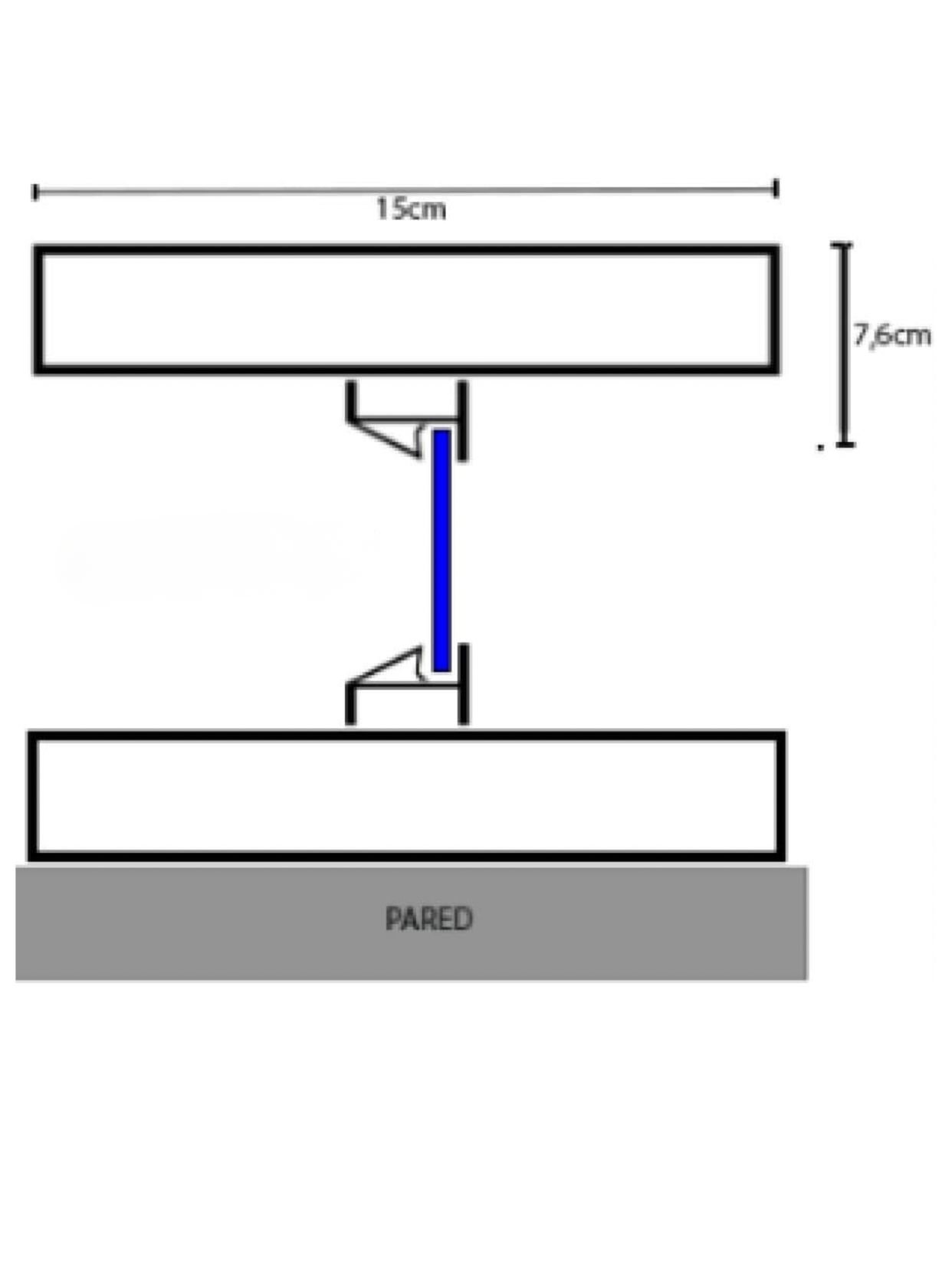
Schematics
Cross-sectional dimensions
Related Profiles
Complementary hardware for your structural assembly
Custom Aluminum Rectangular Tubes | 6063 & 6061 Extruded Tubing | Linkedalu Metal Group CO.,Ltd
Factory-direct custom extruded aluminum rectangular tubes & flat pipes. 6063/6061 alloys, tailored wall thicknesses & interior ribs. CNC fabrication &…
Details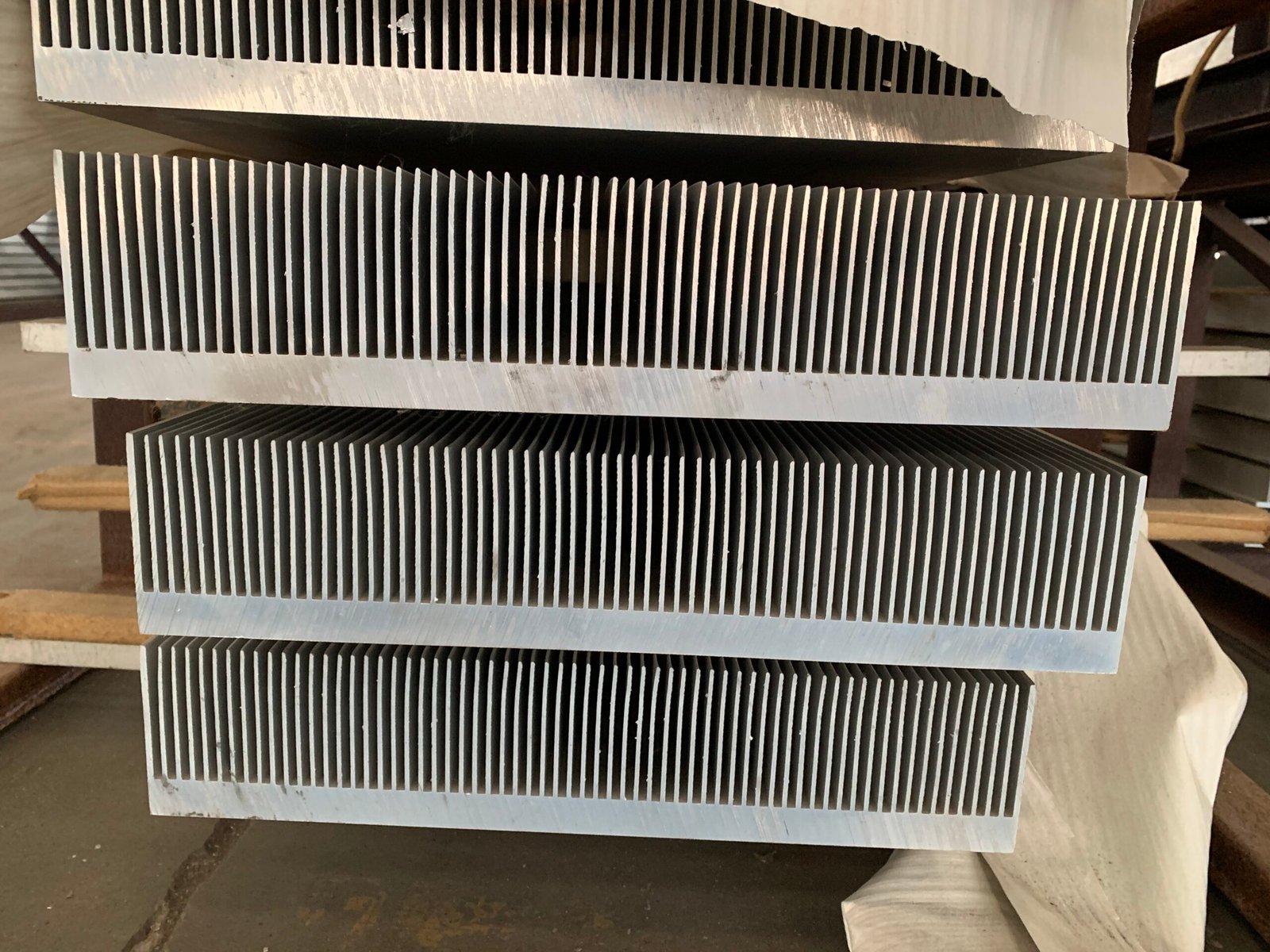
Custom Aluminum Heat Sink Extrusions | 6063 LED & Power Heatsink Profiles | Linkedalu Metal Group Co.,Ltd
We extrude custom aluminum heat sink profiles in 6063-T5. Capabilities include high-density fins (up to 1.5mm pitch), black anodizing for…
Details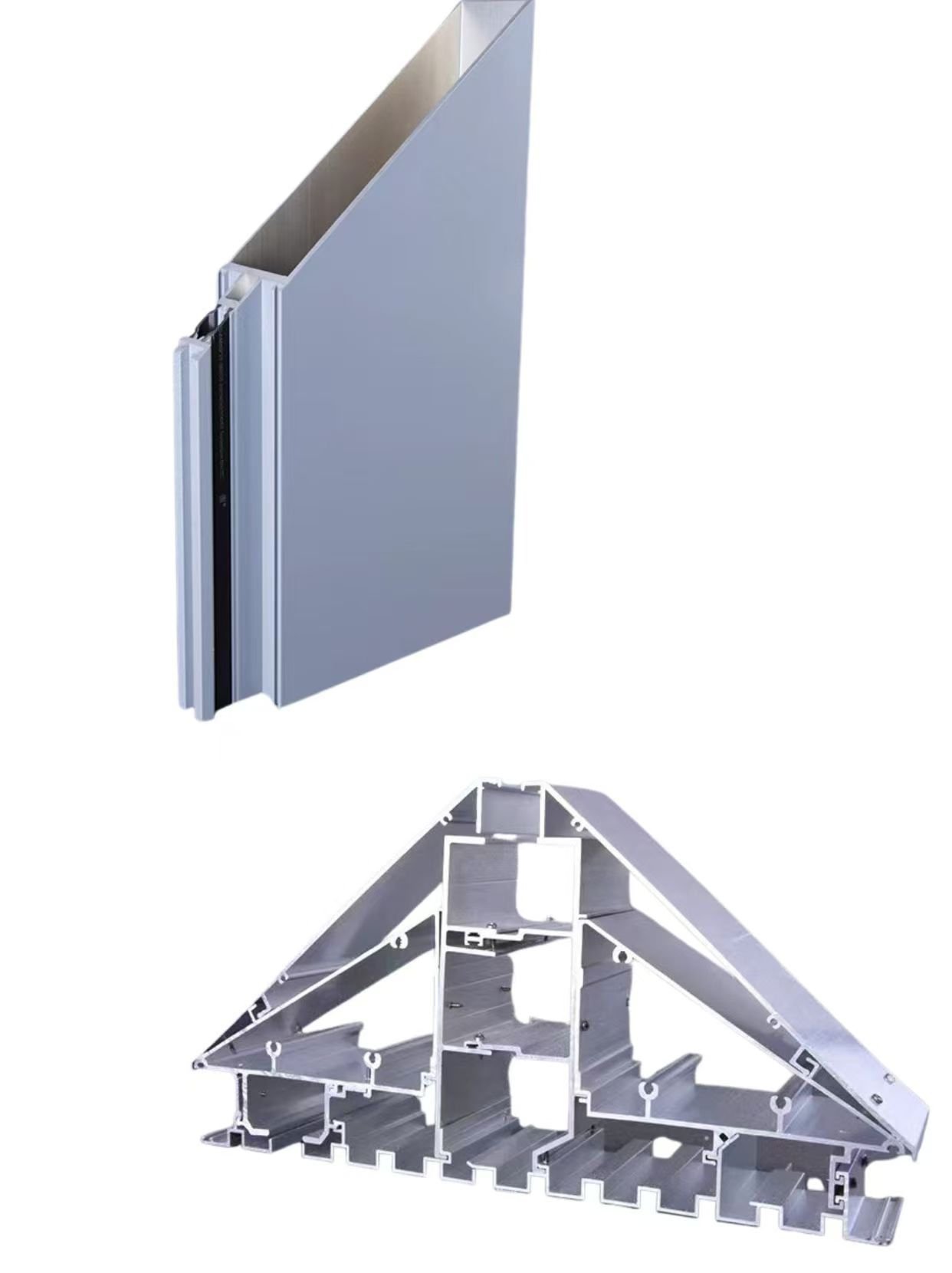
Architectural Aluminum Curtain Wall Profiles: Engineered Custom Framing Solutions
custom curtain wall aluminum profiles, architectural aluminum structural framing, 6063-T6 curtain wall extrusions, PVDF coated aluminum mullions, thermal break curtain…
Details