Custom Aluminum Louver Extrusion Profiles: High-Performance Architectural Sunshades & Facade Blades
Custom extruded aluminum louver profiles for building facades, sunshades, and ventilation systems. Z-blade, aerofoil, and C-blade designs in 6063-T5. Anodized, powder coated, and PVDF finishes. In-house die making.
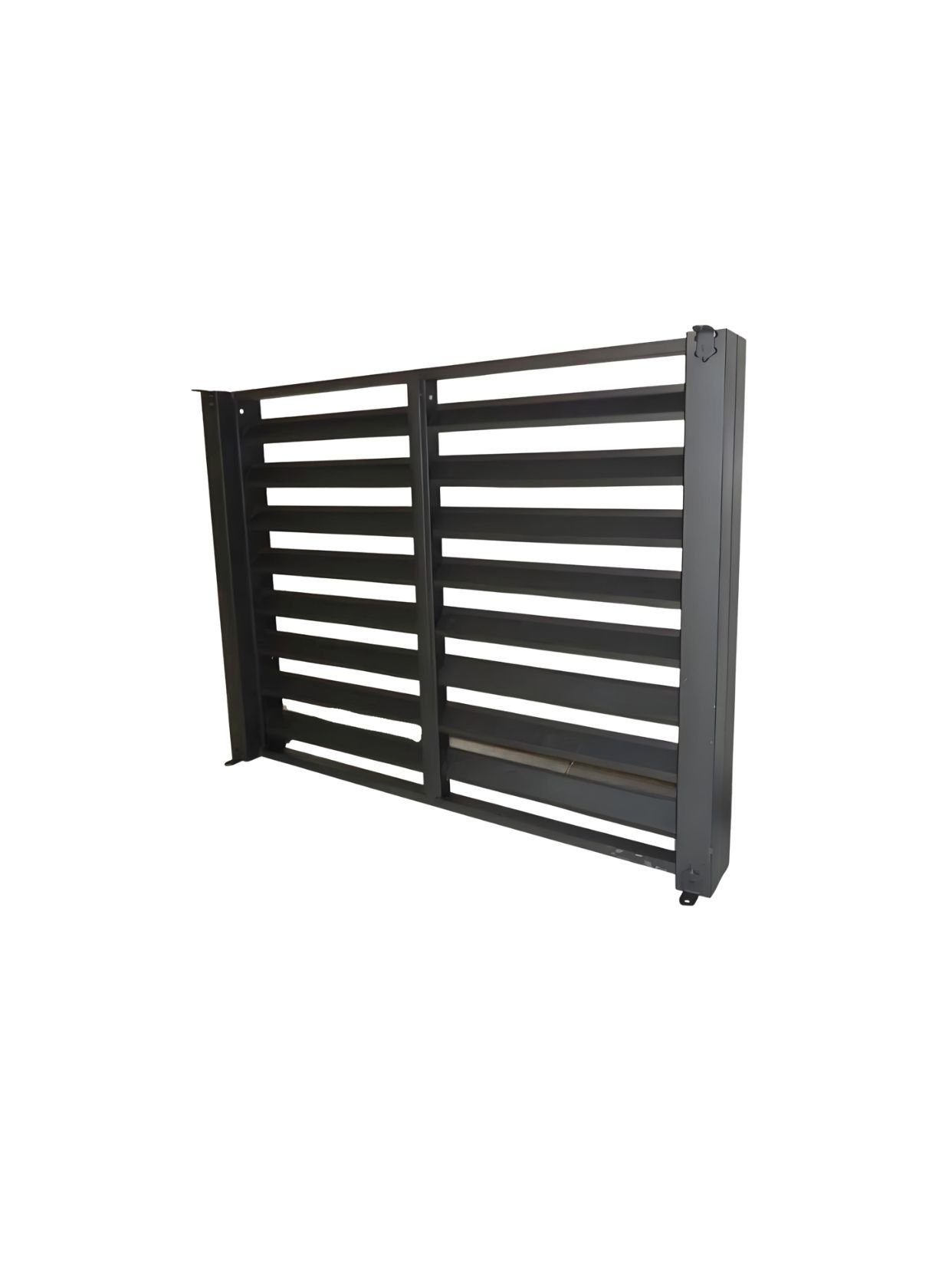
Technical Specifications
Certified precision data per ISO 9001:2015
Details
Certified precision data per ISO 9001:2015
From Concept Blueprint to Coordinated On-Site Delivery
At Linkedalu Metal Group Co., Ltd., we manufacture custom aluminum louver profiles engineered specifically for architectural sunshade systems, commercial facade ventilation, and heavy-duty industrial screening.
We do not force your design into the limitations of a standard catalog. Every blade, frame, and mullion we produce is custom-extruded based on your architectural drawings. Your project dictates the cross-section, structural requirements, and finish specifications—our Foshan-based facility builds the precision die to match.
A typical louver project requires more than just blades. We extrude the entire system:
- Louver blades: Z-type (interlocking), C-type (channel), elliptical/aerofoil, flat, and custom shapes
- Frame sections: Perimeter frames, head and sill profiles
- Mullions: Intermediate vertical supports for large-span installations
- Retention Hardware: Snap-fit pressure plates, aesthetic cover caps, and integrated drive slots or linkage channels (±0.15mm tolerance) for motorized, adjustable louver systems.
All profiles for a single project are extruded from the same aluminum billet batch, surface-finished together, and shipped as one coordinated delivery. No color mismatches. No staggered arrival dates.
Architectural Blade Profiles & Applications
The cross-section of a louver blade determines its structural stiffness, interlocking capability, visual appearance, and aerodynamic behavior. We extrude the following designs, and variants beyond them:
Z-Blade (Interlocking)
The most common profile for fixed facade sunshades. The Z-shaped edge allows adjacent blades to overlap and interlock when closed, providing excellent visual privacy and solar shading. The interlocking geometry also adds stiffness along the span.
Typical applications: Commercial building facades, air-conditioning platform screens, parking structure cladding.
C-Blade (Channel)
A simple open-channel profile, economical and lightweight. Best suited for shorter spans and applications where interlocking is not required. The open side can face inward or outward depending on the visual and ventilation requirement.
Typical applications: Ventilation louvers, interior decorative screens, equipment enclosures.
Elliptical / Aerofoil Blade
A double-curved, streamlined profile. Offers the highest structural rigidity of the three common types due to its closed or near-closed cross-section. The aerodynamic shape reduces wind resistance and provides a clean, modern appearance from all viewing angles.
Typical applications: Large-span motorized adjustable louvers, curtain wall integrated shading, high-end commercial atriums.
Flat Blade
A simple rectangular or slatted profile. Often perforated post-extrusion for partial light transmission. Can be fixed at any angle.
Typical applications: Industrial screening, equipment protection grilles, brise soleil.
Long-tail keywords covered: Z-blade aluminum louver extrusion, C-blade aluminum sunshade profile, aerofoil aluminum louver blade, elliptical aluminum louver profile, interlocking aluminum louver, motorized aluminum louver profile, aluminum brise soleil extrusion
Alloy Selection
| Alloy & Temper | Characteristics | Recommended For |
|---|---|---|
| 6063-T5 | Excellent extrudability, smooth surface finish, good corrosion resistance | Standard spans up to 1.5m, moderate wind loads, most commercial projects |
| 6063-T6 | Approximately 30% higher yield strength than T5, same surface quality | Medium spans 1.5–2.5m, higher wind load areas |
| 6061-T6 | Highest mechanical strength of the three, weldable | Large spans over 2.5m, typhoon/hurricane zones, structural applications |
For most architectural louver projects, 6063-T5 is the right starting point. It extrudes beautifully, anodizes evenly, and provides adequate strength for typical blade spans. We only recommend stepping up to T6 or 6061 when span, wind load calculations, or local building codes specifically require it.
Surface Finishes & Environmental Suitability
The right surface treatment depends entirely on where the louver will be installed. Here’s how we match finish to environment:
| Installation Environment | Recommended Finish | Spec | Expected Service Life |
|---|---|---|---|
| Indoor / Dry inland | Anodized AA10 | 10µm oxide film | 10+ years |
| General urban outdoor | Polyester powder coating | 60–80µm | 10–15 years |
| Coastal (>1km from sea) | Anodized AA15–20 with quality sealing | 15–20µm | 15+ years |
| Coastal frontline (≤1km from sea) | PVDF fluorocarbon, 3-coat | ≥35µm total | 20–25 years |
| Industrial / acid rain | PVDF or hard anodized | Per specification | 20+ years |
| Tropical / high UV | Super-durable polyester powder or PVDF | 60–80µm / ≥35µm | 15–25 years |
A closer look at each finish:
Anodizing builds a ceramic-hard aluminum oxide layer directly from the base metal. It preserves the metallic appearance of aluminum and offers excellent abrasion resistance. For coastal environments, the oxide film must be thickened to AA15 or AA20 and properly sealed—unsealed or poorly sealed anodized surfaces will develop white corrosion spots from salt spray. Black anodized louvers are popular in modern architectural design for their matte, monolithic appearance.
Polyester powder coating applies a durable organic resin layer that fully encapsulates the aluminum. It offers the widest color range (full RAL palette) and good UV and corrosion resistance at a competitive cost. This is the workhorse finish for most commercial facade louvers.
PVDF fluorocarbon coating is the premium architectural standard. The carbon-fluorine bond in PVDF resin is exceptionally stable—resistant to UV degradation, acid rain, salt spray, and industrial pollutants. It is the default specification for landmark buildings, coastal high-rises, and any project where the facade is expected to perform for 20+ years with minimal maintenance. Available in metallic and solid colors, though the palette is narrower than powder.
Electrophoretic coating offers an alternative where uniform coverage of internal cavities is critical—the immersion process ensures coating reaches every surface.
Dimensions & Capabilities
| Parameter | Capability |
|---|---|
| Blade width | 20mm – 600mm (custom) |
| Wall thickness | 0.8mm – 3.0mm |
| Standard length | 6m (cut-to-length available from 100mm) |
| Blade types | Z, C, elliptical/aerofoil, flat, custom |
| Surface finishes | Anodized, powder coated, PVDF, electrophoretic |
| System components | Blades, frames, mullions, pressure plates, cover caps, drive slots |
| Secondary processing | Precision cutting, drilling, tapping, end milling, punching |
| MOQ | 500kg per new die; smaller quantities for existing dies |
Complete System Extrusion
A building louver is never just blades. We extrude every aluminum component in the system so you receive a fully matched package:
| System Component | Function | Key Specification |
|---|---|---|
| Blades | Primary shading and ventilation element | Custom cross-section to your design |
| Perimeter frames | Structural enclosure for the louver assembly | Matched to blade length and mounting method |
| Mullions | Intermediate vertical supports | Required when blade span exceeds structural limit |
| Drive linkage channels | Housing for motorized adjustment mechanisms | ±0.15mm slot tolerance for smooth operation |
| Pressure plates & cover caps | Blade retention and aesthetic finishing | Snap-fit or screw-fixed, profile-matched to frame |
| Sill drainage profiles | Water management at base of louver | Integrated drainage slots and sloped design |
Every component in a project kit is extruded from one billet batch, surface-finished in one production run, and shipped together. The result is a louver system where every visible surface shares the same color, sheen, and texture.
Secondary Processing
We offer in-house CNC machining to deliver louver components ready for assembly:
- Precision cut-to-length: ±0.1mm tolerance, burr-free ends
- CNC drilling and tapping: Mounting holes, pivot holes, drainage holes
- End milling: Notches, slots, and angled cuts for frame connections
- Punching: High-volume hole patterns for perforated blade designs
FAQs
Q1: What alloy do you recommend for architectural louvers?
A: 6063-T5 is the standard for most architectural louver applications. It offers the best combination of extrudability, surface finish quality, and corrosion resistance. For blade spans exceeding 1.5m or projects in high-wind regions, we recommend 6063-T6, which provides roughly 30% more yield strength with the same surface quality. 6061-T6 is available for structural applications where maximum strength is required.
Q2: Can you extrude profiles for motorized/adjustable louvers?
A: Yes. The key requirement for motorized louvers is the precision of the drive mechanism slots at both ends of each blade. We hold slot tolerances to ±0.15mm to ensure smooth operation. If you have a specific drive system in mind, share the manufacturer’s specifications during die design—we’ll integrate the required slot geometry into the blade cross-section.
Q3: Can anodized louvers be used in coastal environments?
A: Yes, with the right specification. Standard AA10 (10µm) anodizing is not sufficient for coastal exposure. We recommend AA15 or AA20 with high-quality nickel salt or hot water sealing. However, for buildings within 1km of breaking surf, PVDF coating is the safer long-term choice—salt spray continuously challenges anodized surfaces, and sealing effectiveness gradually diminishes over time.
Q4: How do you guarantee color consistency across all components in a louver project?
A: We treat the entire project as one production batch. All profiles for the project are extruded from the same billet heat, surface-finished in the same coating run, and inspected together. We retain a physical color reference sample from the first production batch. If additional material is ordered later, we produce against that reference sample with a ΔE ≤ 1.0 tolerance.
Q5: What’s the widest louver blade you can extrude?
A: Up to 600mm cross-section width. For very wide blades, we evaluate the section’s moment of inertia and recommend adjustments if wind load deflection is a concern—such as adding internal stiffening ribs or increasing wall thickness at critical points.
Q6: What’s your MOQ for custom louver profiles?
A: 500kg per new die. A typical louver project involves 3–8 unique profiles; we evaluate the total project volume and provide a packaged quotation.
Q7: How are louver profiles packaged for export?
A: Each blade or frame section is individually wrapped with protective film on visible surfaces. Profiles are separated with foam or corrugated spacers, bundled with steel strapping, and wrapped with stretch film for moisture protection. Sea freight shipments are palletized or crated as needed. Extra-long profiles (>6m) require special handling—we coordinate logistics case by case.
Q8: Do you supply installation hardware?
A: We specialize in aluminum extrusion. Drive motors, connecting rods, screws, and other standard hardware are outside our scope, but we can recommend sourcing channels based on our project experience.
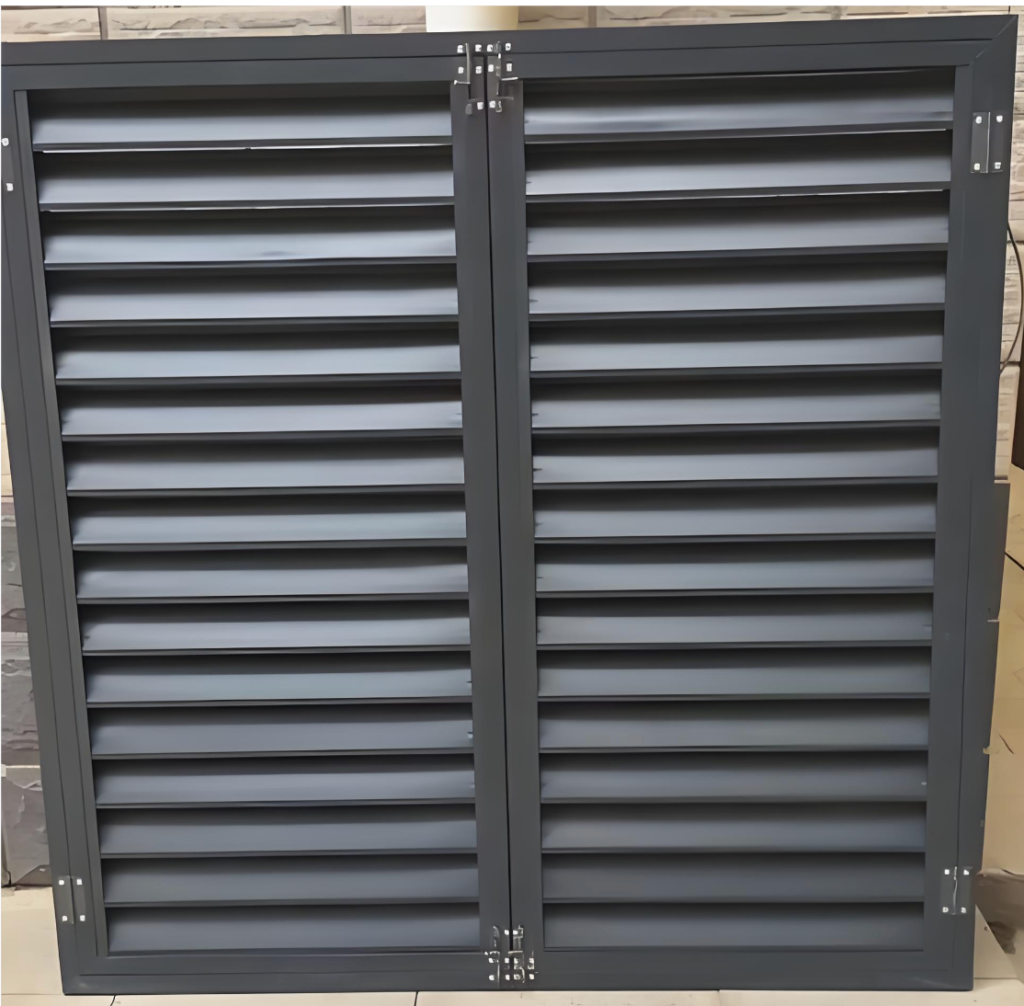
Schematics
Cross-sectional dimensions
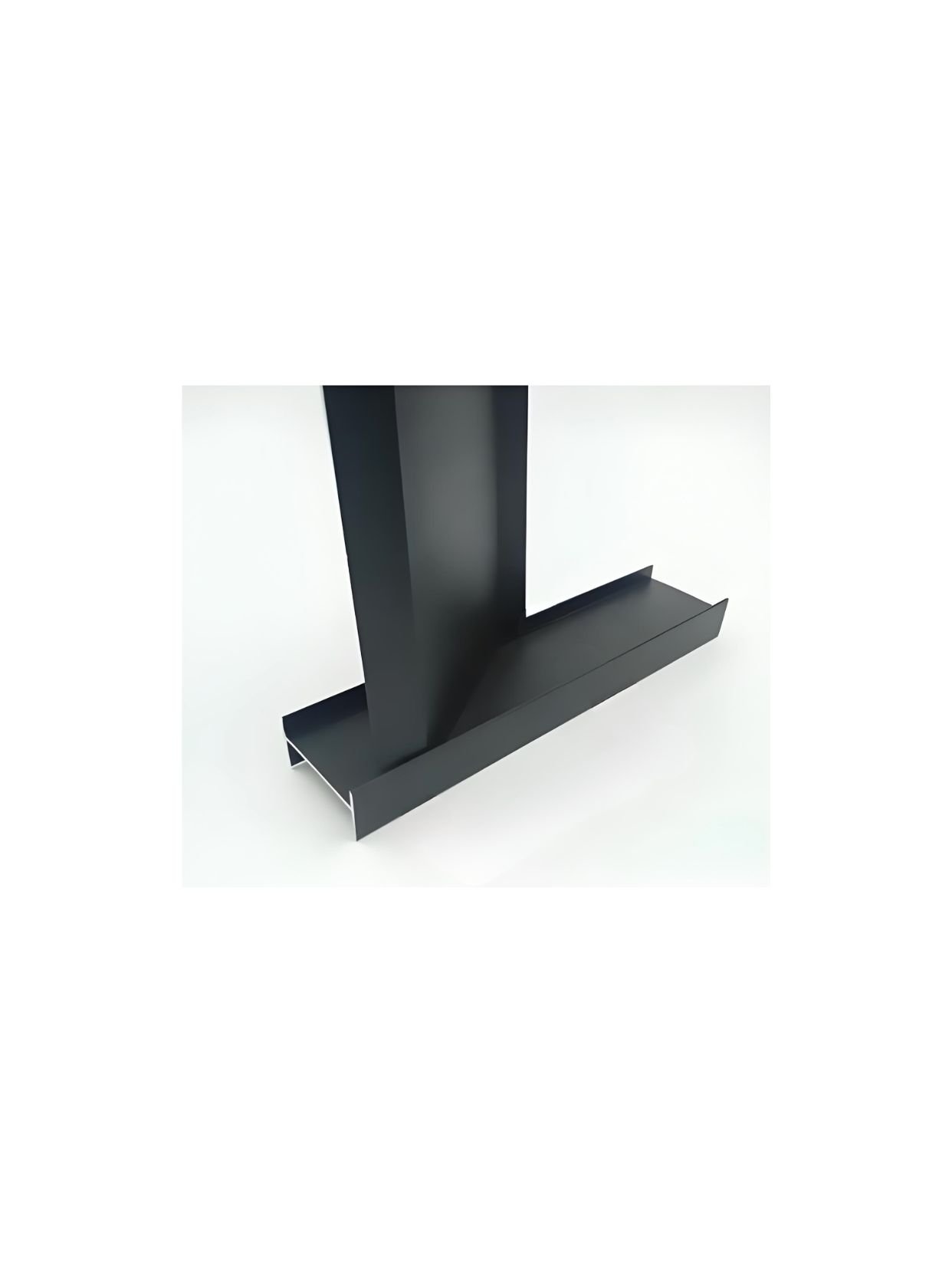
Related Profiles
Complementary hardware for your structural assembly
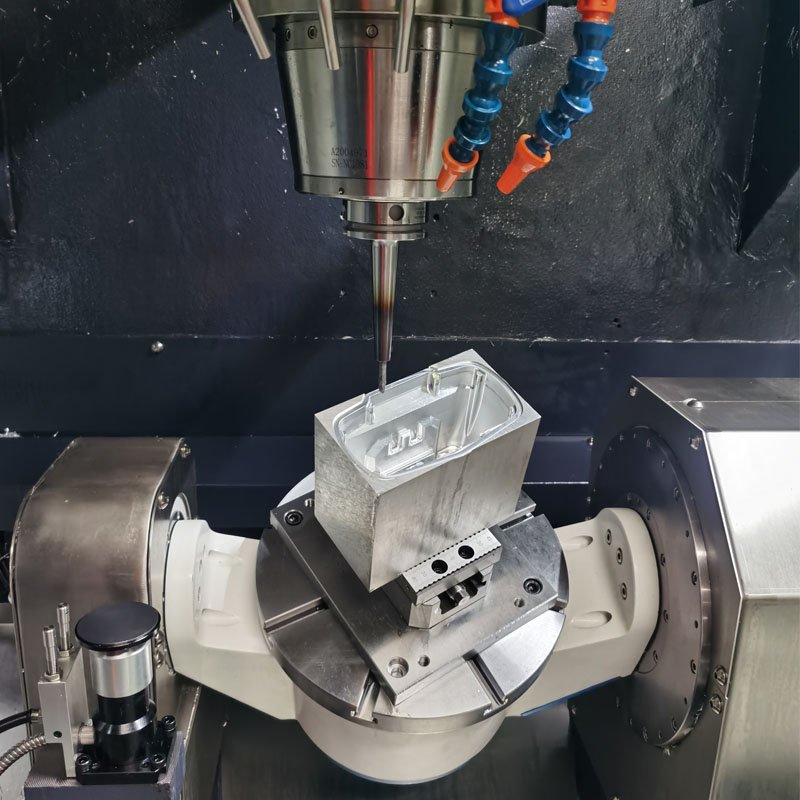
Aluminum Profile CNC Deep Processing Services: From Extrusions to Ready-to-Assemble Components
aluminum profile CNC deep processing, precision aluminum cutting and drilling, custom industrial aluminum components, aluminum extrusion post-processing factory, Linkedalu Metal…
Details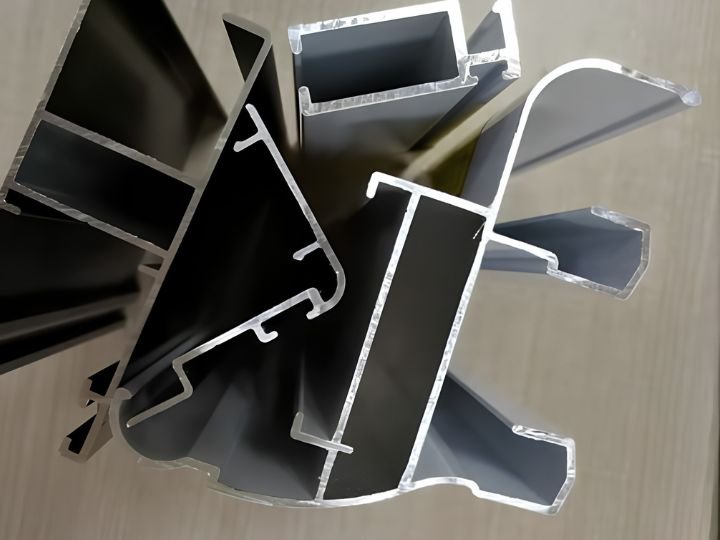
Custom Powder Coated Aluminum Window & Door Frame Profiles
From Blueprint to Finished Frame: Your Trusted Partner in Aluminum Solutions With over 20 years of expertise in aluminum extrusion,…
Details
Custom Aluminum Rectangular Tubes | 6063 & 6061 Extruded Tubing
Factory-direct custom extruded aluminum rectangular tubes & flat pipes. 6063/6061 alloys, tailored wall thicknesses & interior ribs. CNC fabrication &…
Details