
The New Geography of Aluminum: Four Events in July 2026 That Just Redrew the Map
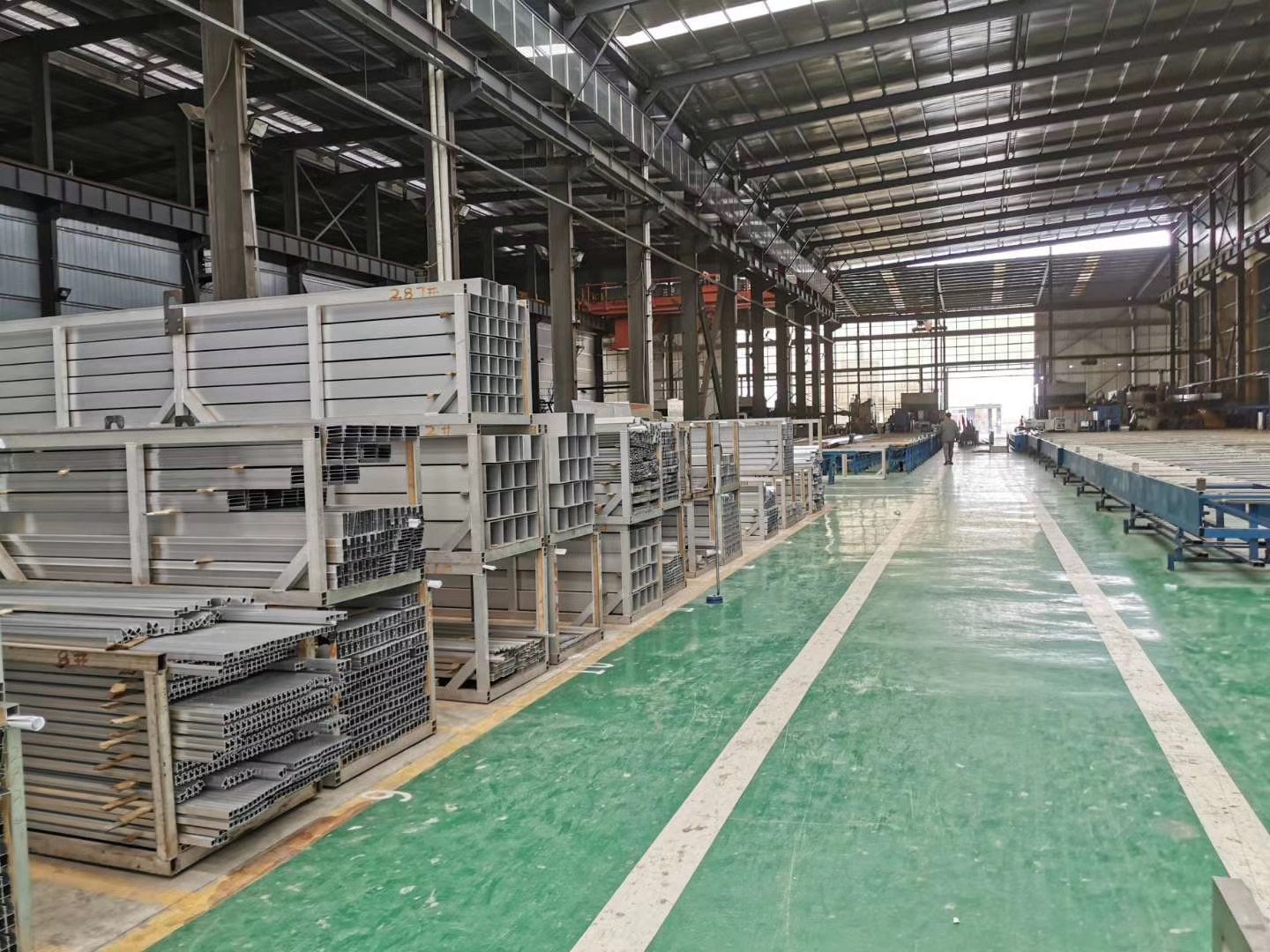
In ten days of July 2026 Alcoa agreed to buy South32's aluminum business for $5.6bn, EGA and Colombia planned South America's first smelter, Egypt advanced a $900m project and Mozambique stayed shut. One story, not four.
Four Events That Read as One Story
In the first ten days of July 2026, four things happened that - read separately - look like standard industry news. A corporate acquisition. A government-backed project announcement. A plant closure. A feasibility study. Read together, they are not separate events at all. They are a single story about where aluminum will come from in the next decade, who will control it, and what it will cost.
July 1: Alcoa Buys South32's Aluminum Business for $5.6 Billion
Alcoa agreed to acquire the bulk of South32's aluminum operations in a deal valued at $5.6 billion: $3.1 billion in cash, $1 billion in stock, and up to $750 million in contingent payments tied to aluminum prices through 2030.
What Alcoa gets is significant. The Hillside smelter in South Africa, the largest in the southern hemisphere with 718,000 tonnes of annual capacity. The Worsley alumina refinery in Australia. A package of Brazilian assets including the MRN bauxite mine, an alumina refinery and a smelter. The deal is expected to close by June 2027.
What South32 is still trying to sell is the Mozal smelter in Mozambique, which has been idle since early 2026 and remains without a buyer.
Why Ownership Matters More Than the Price Tag
The significance is not just the price. It is who bought it. A Pittsburgh-based company is now the controlling force behind Africa's largest primary aluminum asset. That is a structural shift in ownership and, eventually, in how that metal flows to market.
July 9: EGA and Colombia Plan South America's First Aluminum Smelter
Emirates Global Aluminum, one of the world's largest producers, signed an agreement with NEO Aluminio Colombia to develop the Galtco green aluminum conversion plant in northwestern Colombia. Planned capacity is 540,000 tonnes per year, and the power source is hydropower. If it proceeds, it would be the first primary aluminum smelter in South America - a continent that has historically been an aluminum importer rather than a producer.
The project is in development, not under construction. But the partnership is real and the logic is sound: Colombia has abundant hydropower, Atlantic and Pacific port access, and a growing appetite for industrial investment. EGA brings the smelting technology and the customer relationships. Buyers should treat the capacity as a late-decade factor, not a 2027 one.
Africa: Egypt Rises While Mozambique Goes Quiet
Egypt is advancing its mineral localisation agenda, including a $900 million Trafigura-linked project, while the Mozal shutdown in Mozambique removes an established southern African supply node from the market. The two moves point in opposite directions and land in the same region, which is precisely why the map now reads differently than it did a year ago. For an extrusion plant buying billet or ingot, regional supply nodes are the ones that respond fastest to a disruption: they ship short, they re-quote quickly, and their loss is felt in weeks rather than quarters.
What This Means for Extrusion Buyers
| Event | Near-term read for buyers |
|---|---|
| Alcoa acquires South32's aluminum business ($5.6bn) | Consolidation under a single owner changes how that metal is marketed and contracted; expect longer-term offtake thinking. |
| Mozal remains idle with no buyer | A former supply node is out of the picture and may not return quickly. |
| Colombia's Galtco project (540,000 t/y, hydropower) | A future low-carbon origin, but years away. Useful for 2030 planning, not next season's billet. |
| Egypt's mineral localisation and the Trafigura project | New mid-stream capacity that may reduce regional import dependence over time. |
- Qualify more than one origin before you need to, so switching is a decision rather than a scramble.
- Extend contract horizons selectively where consolidation has changed who your counterparty effectively is.
- Strengthen traceability now, because origin claims will be audited more often as supply fragments.
- Budget for premium volatility as physical metal moves between more owners and fewer, larger trading relationships.
The Through-Line
None of these four events was announced as part of a plan. They were independent commercial and policy decisions made within ten days. That is exactly what makes them worth reading together: they show a supply chain remaking itself in real time, from the bauxite mine through the alumina refinery to the smelter gate. Ownership, energy cost, carbon intensity and political risk are all being re-priced at once, and the metal that reaches an extrusion press in 2030 will come from a materially different set of assets than the metal arriving today. Buyers who treat the aluminum map as static will keep being surprised by it, and surprise is the most expensive input in any supply chain.
Keep reading
 Insights
The Structural Break in Global Aluminum
China hit its 45 Mt aluminum ceiling, Guinea signalled an export cap, Rusal is sanctioned and a Gulf smelter curtailed in February 2026…
Read article arrow_forward Insights
Tariffs, R&D, and the Myth of the Fragile Chinese Factory
Four headlines from WSJ, the New York Times and Nikkei appear to contradict each other. Read together, they explain why production is…
Read article arrow_forward Insights
Your "Cheap Chinese Aluminum" Stereotype Is 10 Years Out of Date: How Automation Is Rewriting the Rules of Extrusion Quality
Automation is not replacing people in modern extrusion plants, it is replacing inconsistency: closed-loop billet control within 5 degrees…
Read article arrow_forward