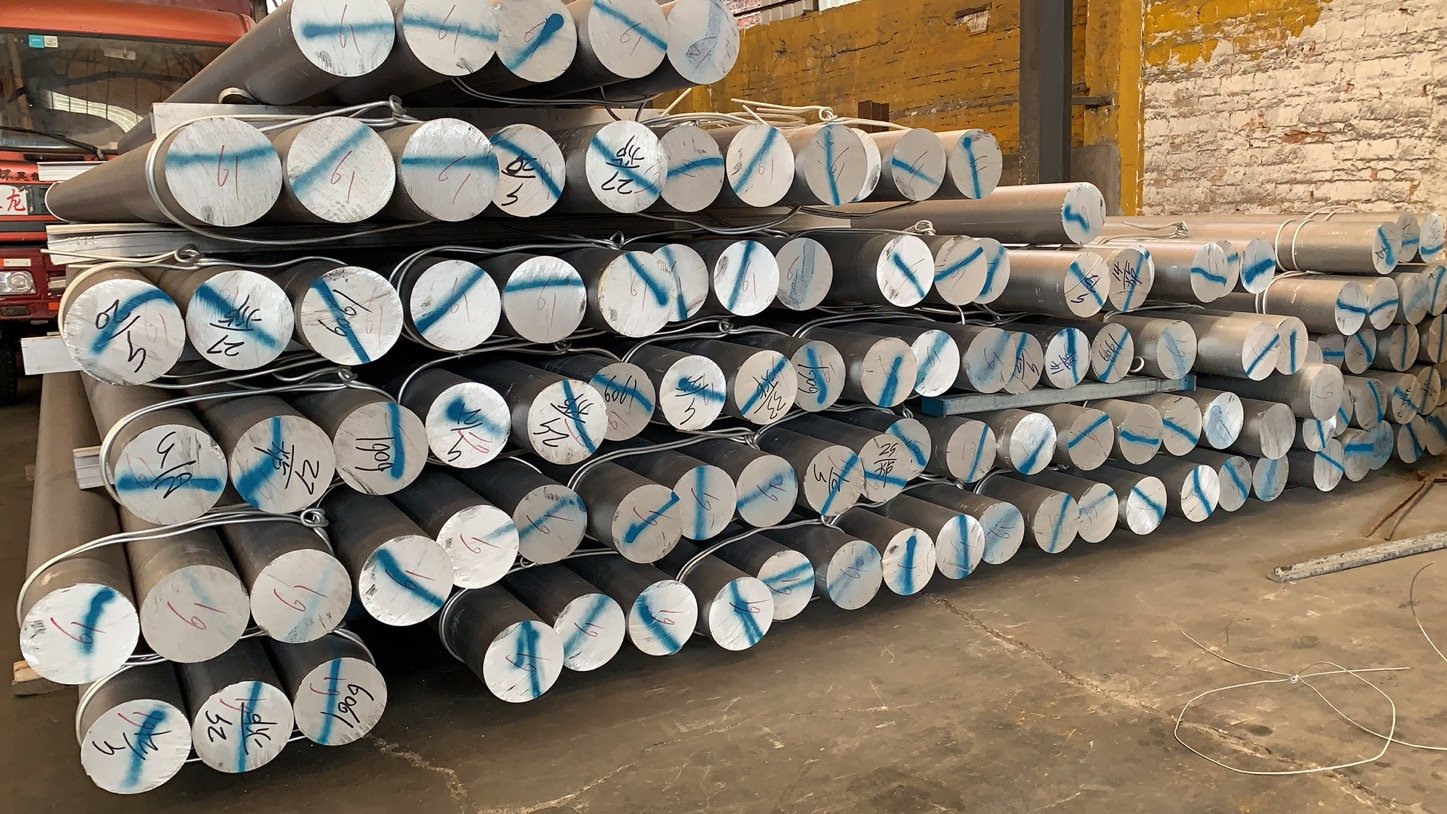
Citi aluminum price forecast 2026, LME aluminum shortage, aluminum billet physical premiums, aluminum supply chain disruption, 6063-T5 profile procurement strategy.
Executive Summary
Global banking giant Citigroup recently declared the aluminum market is entering its “most bullish cycle in over 50 years.” Citi projects London Metal Exchange (LME) copper-cousin aluminum prices will swiftly climb to $4,000/mt in the short term, with substantial further upside heading into 2027.
While the LME three-month futures currently hover around the $3,600–$3,650/mt range, focusing solely on the exchange ticker hides the real danger. The true story of this market is a fundamental, structural break in physical supply that is transforming aluminum from a basic industrial commodity into a tightly guarded strategic resource.
1. The Three Pillars of Citi’s Hyper-Bullish Case
Citi’s market model rests on three unprecedented supply-side data points that indicate a deep structural deficit:
- A 3-Million-Ton Supply Severance: Ongoing geopolitical conflicts in the Middle East have caused historic supply chain ruptures. According to Citi, the market faces an immediate loss of over 3 million tons of global aluminum supply—a scale of disruption rarely seen in the history of modern metallurgy.
- Inventories Hit a 55-Year Low: On-warrant LME registered stocks have plunged by a third this year to roughly 339,000 tons. Crucially, “shadow stocks” (unregistered metal stored off-exchange) have hit their lowest levels since tracking began in 2020. The market’s inventory buffer is gone.
- Zero Global Idle Capacity: Global idled smelting capacity is almost entirely depleted. Even as prices rocket upward, producers cannot simply turn on closed pots to relieve the squeeze.
2. The Disconnect: Why the LME Paper Price Lags Behind the Physical Market
As of late May 2026, LME three-month copper/aluminum spot sits near $3,630/mt. While it has risen roughly 14% since recent geopolitical escalations, it has not yet broken past the historical peaks seen in 2022.
Renowned industry analysts note that paper futures have failed to register the “tectonic shifts” shaking the actual physical supply chain. For global B2B buyers, the real market tension is flashing red in the physical spot premiums:
🚨 PHYSICAL MARKET ALARMS
├── LME Cash-to-3-Month Premium: Hit $80/mt (Highest since 2007; signals profound immediate scarcity)
├── Japanese Port Premiums (CIF): Doubled to $316/mt (Q2 contract talks hitting an 11-year high of $350/mt)
├── Rotterdam Duty-Paid Premiums: Up 58% since March 2026
└── Rotterdam Aluminum Billet Premiums: Surged to a staggering $1,100/mt ABOVE the LME base price
3. Supply-Side Panorama: The Gulf and Beyond
The Gulf region, which accounts for roughly 8% of primary aluminum production but supplies 19% of the EU’s, 28% of Japan’s, and 21% of the US’s primary imports, has transformed from a low-cost manufacturing hub into a supply chain bottleneck.
According to the International Aluminum Institute (IAI), average daily production in the Gulf plunged 26.7% in April down to 10,989 tons.
- The blockade of the Strait of Hormuz continues to choke both raw materials coming in and finished metal moving out.
- Western world production outside of China has seen an overall drop of 2.4 million tons over the last two months.
- While China’s output is stable, it is running near its strict environmental capacity cap, and its exports are highly concentrated in semi-finished products (extrusions, sheets, and foils) rather than raw primary ingots.
Furthermore, upstream pressures are rising. Guinea, the world’s largest bauxite exporter (holding over a third of global supply), announced plans to launch strict export caps next month to pull raw ore prices out of a historic slump. A squeezed supply chain from the raw bauxite mine straight to the extrusion die is the new normal.
4. Strategic Implications for B2B Extrusion Buyers
As Citi maps an aggressive price path—averaging $4,000/mt for the remainder of 2026 and predicting a bullish $5,350/mt in 2027 if demand destruction remains low—procurement managers must rewrite their playbooks.
Shift from “Just-in-Time” to “Just-in-Case”
The last twenty years of relying on massive structural surpluses and cheap, immediate spot availability are over. “Availability risk” now supersedes “price risk.” Finding a reliable manufacturing partner with raw material access is your top priority.
Leverage Smart Sourcing Models
In a market this volatile, a daily fluctuating quote model creates extreme friction for your estimating teams. At [Your Factory Name], we insulate our customers through our Weekly Fixed Pricing System (issued every Monday, valid through Friday, and insulated unless a major $45/ton ingot shift occurs). This allows you to bid on downstream construction, door, and window projects with firm mathematical margins.
Optimize Designs to Offset Ingot Cost
When raw material trades at premium historical highs, engineering efficiency becomes your greatest cost-cutter. Our technical team works directly with clients to analyze custom 6063-T5 architectural designs, optimizing wall thicknesses and multi-cavity geometries to shave off unnecessary weight while fully preserving structural load capacities.
Citi’s $4,000 target is a symptom of a deeper macroeconomic reality: aluminum is transitioning from an abundant base metal into a highly contested strategic resource. To maintain your competitive edge in downstream window, door, and industrial markets, look beyond the LME ticker and secure stable, transparent, and engineered supply lines today.